


Hey there! I'm a supplier of LPG trucks, and I often get asked about the storage requirements for these trucks when they're not in use. So, I thought I'd share some insights on this topic.
First off, let's understand what LPG is. LPG stands for liquefied petroleum gas, which is a flammable mixture of hydrocarbon gases. It's commonly used as fuel for vehicles, heating, and cooking. LPG trucks are specifically designed to transport this gas safely from one place to another. But when they're not on the road, proper storage is crucial to ensure safety and maintain the truck's condition.
Location Matters
The first thing to consider is the storage location. You need to choose a place that's well - ventilated. LPG is heavier than air, so if there's a leak, it will sink to the ground. A well - ventilated area helps to disperse any leaked gas, reducing the risk of an explosion or fire. An open - air storage yard is ideal. Avoid storing LPG trucks in enclosed spaces like basements or small garages unless they have proper ventilation systems installed.
Also, the location should be away from sources of ignition. This includes things like open flames, electrical equipment that can spark, and hot surfaces. For example, you don't want to park an LPG truck near a welding operation or a furnace. It's a good idea to have a clear buffer zone around the storage area.
Security
Security is another important aspect. LPG trucks are valuable assets, and you don't want them to be tampered with. Install a security fence around the storage area to keep unauthorized people out. You can also use security cameras to monitor the area 24/7. This not only protects the truck but also ensures that any potential safety issues can be detected quickly.
Maintenance Checks Before Storage
Before you park the LPG truck for an extended period, it's essential to perform some maintenance checks. Start by inspecting the LPG tank. Look for any signs of damage, such as dents, scratches, or corrosion. Even a small defect in the tank can lead to a leak over time. If you notice any issues, get them fixed immediately.
Check the valves and fittings as well. Make sure they're tightly closed and in good working condition. A loose valve can cause a slow leak, which is a major safety hazard. Also, check the hoses for any cracks or wear and tear. Replace any damaged parts before storing the truck.
Tire Care
Don't forget about the tires. Over time, the weight of the truck can cause flat spots on the tires if they're not properly maintained during storage. To prevent this, inflate the tires to the recommended pressure. You can also use tire chocks to keep the truck from moving slightly, which can contribute to flat - spotting. If possible, rotate the tires periodically, especially if the truck will be stored for a long time.
Battery Maintenance
The battery is another component that needs attention. LPG trucks often have electrical systems that rely on the battery. If the battery is left in the truck without proper care, it can lose its charge over time. You can disconnect the battery terminals to prevent self - discharge. If you have a battery charger, it's a good idea to give the battery a charge every few weeks to keep it in good condition.
Documentation and Record - Keeping
It's always a good practice to keep detailed records of the truck's storage. Note down the date when the truck was parked, the results of the pre - storage maintenance checks, and any other relevant information. This documentation can be useful for future reference, especially if there are any issues with the truck later on.
Consideration of Local Regulations
Local regulations play a big role in the storage of LPG trucks. Different areas may have specific rules regarding the storage of flammable substances. Make sure you're aware of these regulations and comply with them. This may include things like obtaining the necessary permits, following specific safety standards, and keeping records of the stored LPG quantity.
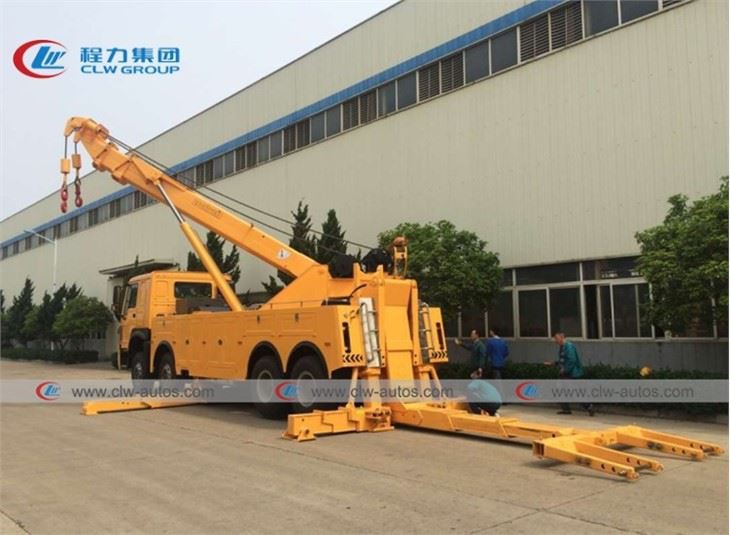
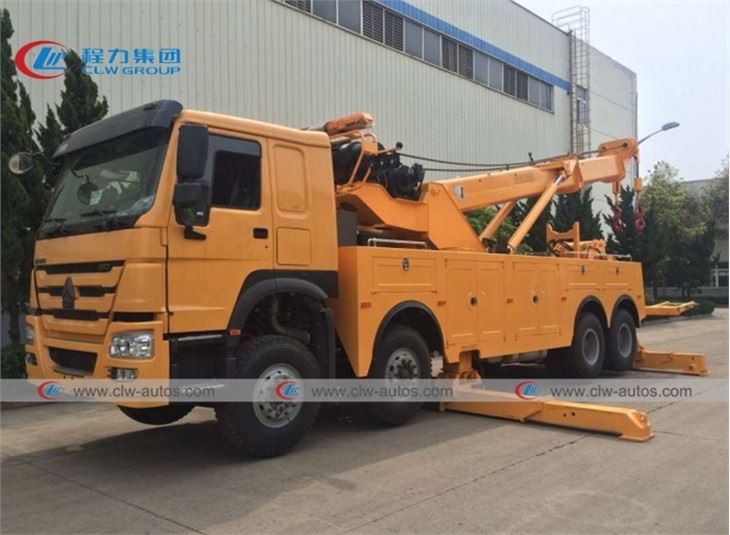
Now, I'd like to mention some other great trucks that we also deal with. We have the Sinotruk HOWO Rotary Boom 50T Wrecker Tow Truck, which is a powerful and reliable option for towing heavy vehicles. And if you're looking for a cargo truck, the ISUZU FTR 10Ton Van Cargo Truck is a great choice. We also supply high - quality spare parts, like the ISUZU 100P/600P Crankshaft Rear Oil Seal.
If you're in the market for LPG trucks or any of the other vehicles and parts I mentioned, don't hesitate to reach out. We're here to provide you with the best products and services. Whether you need advice on storage, want to know more about our product range, or are ready to make a purchase, just let us know. We'll be happy to have a chat and work out the best solution for you.
References
- "LPG Vehicle Safety Guidelines", National LPG Association
- "Truck Maintenance Handbook", Automotive Maintenance Institute
- "Safety Regulations for Flammable Substances Storage", Local Government Publications