


As a seasoned LPG trailer supplier, I understand the critical importance of corrosion protection in ensuring the longevity and safety of these specialized vehicles. LPG trailers are constantly exposed to harsh environmental conditions and corrosive substances, making them vulnerable to rust and deterioration. In this blog post, I will delve into the various methods and technologies we employ to safeguard our LPG trailers against corrosion, providing you with a comprehensive understanding of our commitment to quality and reliability.
Understanding the Corrosion Process
Before we explore the protective measures, it's essential to understand how corrosion occurs in LPG trailers. Corrosion is a natural electrochemical process that involves the oxidation of metals when they come into contact with oxygen and moisture. In the case of LPG trailers, the presence of water, humidity, and corrosive gases such as sulfur dioxide and hydrogen sulfide can accelerate the corrosion process. Additionally, the constant movement and vibration of the trailer can cause stress on the metal surfaces, leading to the formation of cracks and crevices where corrosion can start.
Surface Preparation
The first step in protecting LPG trailers against corrosion is proper surface preparation. Before applying any protective coatings, the trailer's metal surfaces must be thoroughly cleaned and treated to remove any dirt, grease, rust, or mill scale. This is typically done using a combination of mechanical and chemical methods, such as sandblasting, shot peening, and chemical etching. Sandblasting is a popular method that involves propelling abrasive particles at high speed onto the metal surface to remove contaminants and create a rough surface profile that enhances the adhesion of the protective coating.
Protective Coatings
Once the surface is properly prepared, a protective coating is applied to the trailer's metal surfaces to act as a barrier between the metal and the corrosive environment. There are several types of protective coatings available, each with its own unique properties and advantages.
Epoxy Coatings
Epoxy coatings are one of the most commonly used protective coatings for LPG trailers. They are known for their excellent adhesion, chemical resistance, and durability. Epoxy coatings can be applied in multiple layers to provide a thick and robust protective barrier. They are also resistant to abrasion, impact, and UV radiation, making them suitable for use in harsh outdoor environments.
Polyurethane Coatings
Polyurethane coatings are another popular choice for LPG trailer protection. They offer excellent flexibility, weather resistance, and gloss retention. Polyurethane coatings are also resistant to chemicals, solvents, and fuels, making them ideal for use in the transportation of LPG. They can be applied in a single layer or in combination with other coatings to provide enhanced protection.
Zinc-rich Primers
Zinc-rich primers are often used as a base coat for LPG trailers. They contain a high percentage of zinc particles, which provide sacrificial protection to the underlying metal. When the zinc particles come into contact with moisture and oxygen, they form a protective layer of zinc oxide, which prevents the corrosion of the metal substrate. Zinc-rich primers are particularly effective in preventing corrosion in areas where the coating may be damaged or scratched.
Cathodic Protection
In addition to protective coatings, cathodic protection is another important method used to protect LPG trailers against corrosion. Cathodic protection is an electrochemical process that involves the use of sacrificial anodes or impressed current to prevent the corrosion of the metal structure.
Sacrificial Anodes
Sacrificial anodes are made of a more active metal, such as zinc or aluminum, which is electrically connected to the LPG trailer's metal structure. When the sacrificial anode comes into contact with an electrolyte, such as water or soil, it corrodes preferentially, sacrificing itself to protect the underlying metal. Sacrificial anodes are easy to install and require little maintenance, making them a cost-effective solution for protecting LPG trailers.
Impressed Current Cathodic Protection
Impressed current cathodic protection systems use an external power source to supply a direct current to the LPG trailer's metal structure. The current flows from the anode, which is typically made of a non-consumable material such as graphite or titanium, to the cathode, which is the trailer's metal structure. This creates a protective electrochemical cell that prevents the corrosion of the metal. Impressed current cathodic protection systems are more complex and expensive than sacrificial anodes, but they offer greater protection and can be used in more demanding environments.
Regular Inspection and Maintenance
Even with the best corrosion protection measures in place, regular inspection and maintenance are essential to ensure the long-term integrity of LPG trailers. We recommend that our customers conduct regular visual inspections of their trailers to check for any signs of corrosion, such as rust, discoloration, or blistering. Any areas of concern should be promptly repaired or treated to prevent further corrosion.
In addition to visual inspections, we also recommend that our customers have their LPG trailers inspected by a qualified professional on a regular basis. A professional inspection can detect any hidden corrosion or damage that may not be visible to the naked eye. The inspector can also provide recommendations for maintenance and repair to ensure the continued safe operation of the trailer.
Conclusion
Corrosion protection is a critical aspect of LPG trailer design and manufacturing. By employing a combination of surface preparation, protective coatings, cathodic protection, and regular inspection and maintenance, we can ensure that our LPG trailers are protected against corrosion and provide reliable service for many years to come.
If you are in the market for a high-quality LPG trailer that is built to last, we invite you to contact us to discuss your specific needs. Our team of experts will work with you to design and build a trailer that meets your requirements and exceeds your expectations.
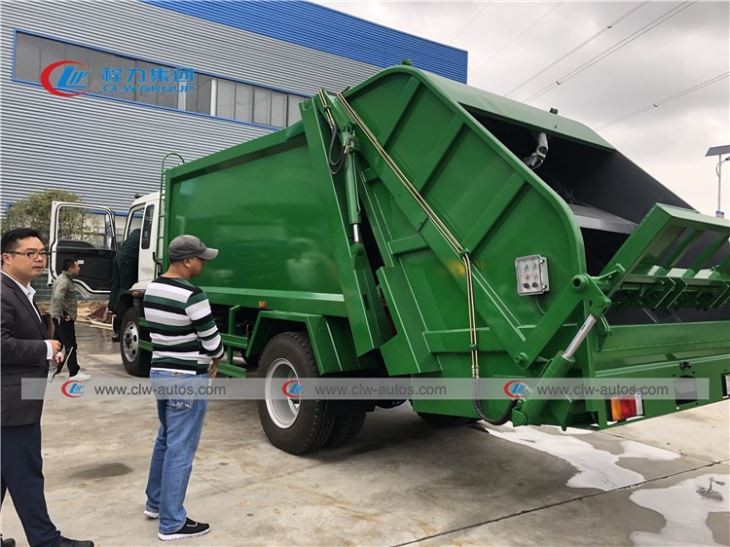
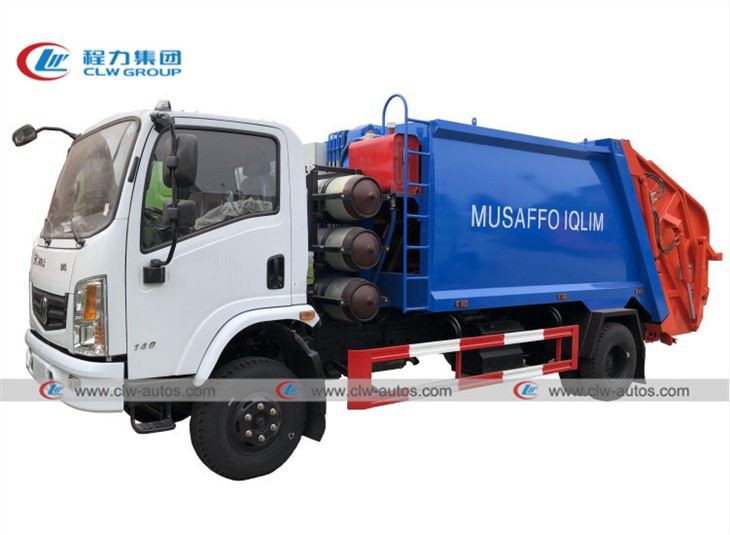
In addition to LPG trailers, we also offer a wide range of other commercial vehicles, including ISUZU FTR 12CBM Compactor Garbage Truck, Dongfeng Concrete Mixer Truck, and Dongfeng CNG Engine 5CBM Garbage Compactor Truck. Whether you need a vehicle for waste management, construction, or transportation, we have the expertise and experience to provide you with the right solution.
References
- Fontana, M. G. (1986). Corrosion engineering (3rd ed.). McGraw-Hill.
- Roberge, P. R. (2006). Corrosion engineering handbook (2nd ed.). McGraw-Hill.
- Uhlig, H. H., & Revie, R. W. (1985). Corrosion and corrosion control (3rd ed.). Wiley.