


Hey there! As a supplier of refrigerated vans, I often get asked about the floor materials used in these vehicles. It's a crucial aspect because the right floor material can significantly impact the performance, durability, and functionality of a refrigerated van. So, let's dive into the different types of floor materials commonly used in refrigerated vans.
1. Aluminum Flooring
Aluminum is a popular choice for refrigerated van floors, and for good reasons. First off, it's lightweight. This is super important in the world of refrigerated vans because every extra pound can affect fuel efficiency. A lighter van means you'll save on gas, which is a big deal, especially for those long - haul routes.
Another great thing about aluminum is its corrosion resistance. Since refrigerated vans are often used to transport food, beverages, and other perishable items, there's a high chance of spills and moisture. Aluminum can withstand these conditions without rusting or deteriorating. This makes it a long - lasting option, reducing the need for frequent floor replacements.
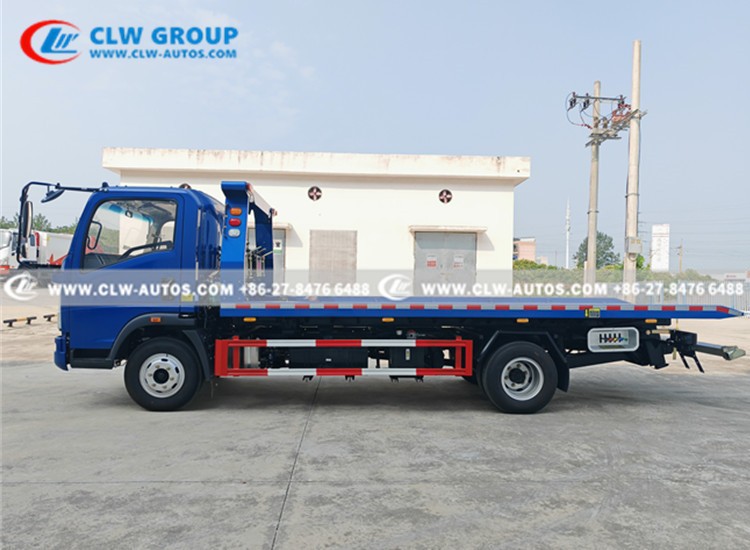
Aluminum floors are also easy to clean. You can simply hose them down, and they'll be good as new. This is essential for maintaining a hygienic environment in the van, which is a must when dealing with food products. If you're interested in other types of trucks, check out the HOMAN/HOWO 5T Tilt - Tray Tow Truck. It's a great piece of machinery for towing needs.
2. Fiberglass Reinforced Plastic (FRP) Flooring
FRP is another material that's gaining popularity in refrigerated van floors. It's a composite material made of fiberglass and resin. One of the main advantages of FRP is its strength. It can handle heavy loads without cracking or breaking, making it suitable for vans that carry large and bulky items.
FRP is also non - conductive, which is a safety feature. In a refrigerated van, there are often electrical components, and a non - conductive floor reduces the risk of electrical accidents. Additionally, it has good chemical resistance. This means it can resist damage from cleaning agents and other chemicals that might be used in the van's maintenance.
Like aluminum, FRP is relatively easy to clean. It has a smooth surface that doesn't trap dirt and debris. And it's also resistant to mold and mildew growth, which is crucial in a moist environment like a refrigerated van. If you're into off - road and heavy - duty trucks, take a look at the HOWO 4X4 Truck With 8Tons Straight Boom XCMG Crane. It's a beast on the road!
3. Stainless Steel Flooring
Stainless steel is a classic choice for refrigerated van floors. It's known for its high strength and durability. Stainless steel can handle a lot of wear and tear, making it ideal for vans that are used frequently or for transporting heavy goods.
One of the biggest selling points of stainless steel is its hygiene. It's easy to sanitize, and it doesn't harbor bacteria or other pathogens. This is extremely important when transporting food and medical supplies. The smooth surface of stainless steel also makes it easy to clean spills and keep the van looking tidy.
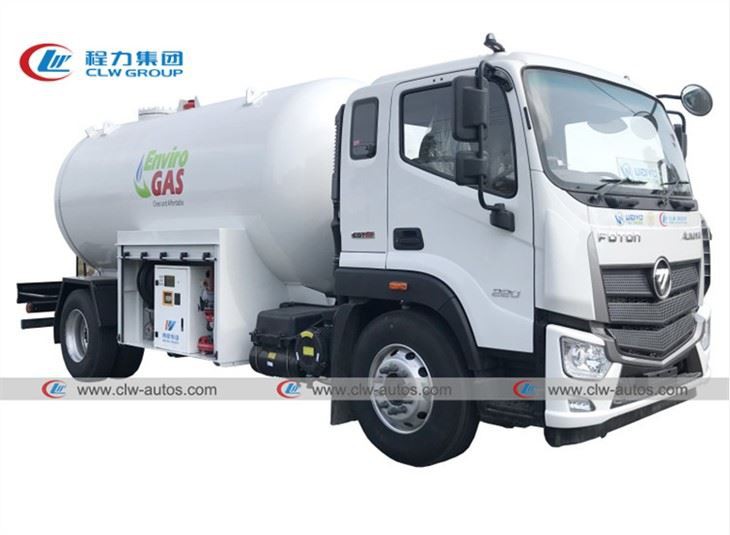
However, stainless steel is heavier than aluminum and FRP. This can have an impact on fuel efficiency, but for some applications, the benefits of its strength and hygiene outweigh the extra weight. If you're in the market for an LPG truck, the FOTON AUMAN 15000L 7MT LPG Bobtail Truck is a great option.
4. Plywood Flooring
Plywood is a more budget - friendly option for refrigerated van floors. It's relatively easy to install, which can save on labor costs. Plywood provides a smooth and flat surface for loading and unloading goods.
However, plywood has its limitations. It's not as resistant to moisture as the other materials mentioned above. If it gets wet, it can warp, rot, and develop mold. To counter this, plywood floors are often treated with a waterproof coating. But over time, this coating can wear off, and the plywood may still be at risk.
Despite these drawbacks, plywood can be a good choice for short - term or less demanding applications. It's a cost - effective way to get a functional floor in your refrigerated van.
5. Rubber Flooring
Rubber flooring is a unique option for refrigerated vans. It provides excellent traction, which is important when loading and unloading goods. Workers are less likely to slip on a rubber floor, reducing the risk of accidents.
Rubber is also shock - absorbing. This can be beneficial when transporting fragile items, as it helps to cushion the impact of bumps and vibrations on the road. It's also resistant to chemicals and oils, making it suitable for vans that transport a variety of products.
But rubber floors can be more expensive than some other options. And they may require more maintenance, as they can attract dirt and debris more easily. However, for the right application, the benefits of rubber flooring can make it a worthwhile investment.
Choosing the Right Floor Material
When it comes to choosing the right floor material for your refrigerated van, there are several factors to consider. First, think about the type of goods you'll be transporting. If you're carrying heavy items, a strong material like stainless steel or FRP might be the best choice. For food and medical products, hygiene is a top priority, so aluminum or stainless steel could be ideal.
Your budget is also an important factor. If you're on a tight budget, plywood might be a good starting point, but you'll need to be aware of its limitations. And if you're concerned about fuel efficiency, a lightweight material like aluminum is a better option.
The frequency of use and the length of your routes should also be taken into account. For long - haul and high - frequency use, a more durable material is recommended.
Conclusion
In conclusion, the floor material of a refrigerated van is a crucial component that can affect its performance, durability, and functionality. Whether you choose aluminum, FRP, stainless steel, plywood, or rubber, each material has its own set of advantages and disadvantages.
As a refrigerated van supplier, I'm here to help you make the best decision for your specific needs. If you're interested in purchasing a refrigerated van or have any questions about the floor materials, don't hesitate to reach out. We can have a detailed discussion and find the perfect solution for you.
References
- "Guide to Truck Flooring Materials" - Industry Insights Magazine
- "Refrigerated Van Design and Construction" - Transportation Research Journal
- "Materials for Commercial Vehicle Interiors" - Automotive Engineering Review