


As a supplier of LPG Skid Stations, ensuring the safety of these facilities is of utmost importance. One crucial aspect of safety in an LPG Skid Station is the use of flame detectors. These devices play a vital role in detecting the presence of flames and triggering appropriate safety measures to prevent potential disasters. In this blog, we will explore the different types of flame detectors used in an LPG Skid Station and their significance.
Importance of Flame Detectors in LPG Skid Stations
LPG (Liquefied Petroleum Gas) is a highly flammable substance, and any ignition source can lead to a catastrophic fire or explosion in an LPG Skid Station. Flame detectors are designed to quickly detect the presence of flames and provide an early warning to the operators. This allows them to take immediate action to contain the fire and prevent it from spreading, minimizing the risk of damage to the facility and ensuring the safety of personnel.
Types of Flame Detectors Used in LPG Skid Stations
1. Ultraviolet (UV) Flame Detectors
UV flame detectors are sensitive to the ultraviolet radiation emitted by flames. They are particularly effective in detecting hydrocarbon fires, such as those involving LPG. UV detectors can quickly respond to the presence of flames, even in the early stages, and are capable of detecting flames from a relatively long distance.
One of the advantages of UV flame detectors is their immunity to false alarms caused by visible light sources, such as sunlight or artificial lighting. However, they can be affected by factors such as dust, smoke, and water vapor, which can reduce their sensitivity. Therefore, regular maintenance and cleaning are essential to ensure their proper functioning.
2. Infrared (IR) Flame Detectors
IR flame detectors work by detecting the infrared radiation emitted by flames. They are less sensitive to UV radiation and are more suitable for detecting fires in environments where there is a high level of UV interference, such as in outdoor LPG Skid Stations.
IR flame detectors can detect a wide range of flame types, including hydrocarbon fires, hydrogen fires, and metal fires. They are also less affected by environmental factors such as dust and smoke compared to UV detectors. However, they can be more expensive than UV detectors and may require more complex installation and calibration.
3. UV/IR Flame Detectors
UV/IR flame detectors combine the advantages of both UV and IR detectors. They are capable of detecting flames based on both UV and IR radiation, providing a more reliable and accurate detection system.
UV/IR flame detectors are less prone to false alarms compared to single-spectrum detectors and can provide a faster response time. They are also more suitable for use in harsh environments where there is a high level of interference. However, they are more expensive than single-spectrum detectors and require more complex installation and maintenance.
4. Multi-Spectrum Flame Detectors
Multi-spectrum flame detectors use multiple wavelengths of light to detect flames. They can analyze the spectral characteristics of the flame and distinguish it from other sources of radiation, such as sunlight or artificial lighting.
Multi-spectrum flame detectors are highly accurate and reliable, and they can provide a very fast response time. They are also less prone to false alarms compared to other types of flame detectors. However, they are the most expensive type of flame detector and require the most complex installation and maintenance.
Installation and Placement of Flame Detectors in LPG Skid Stations
The proper installation and placement of flame detectors are crucial to ensure their effectiveness in detecting flames. Here are some guidelines for installing and placing flame detectors in an LPG Skid Station:
- Location: Flame detectors should be installed in areas where there is a high risk of fire, such as near LPG storage tanks, pipelines, and valves. They should also be installed in areas where there is good visibility and where they can detect flames from all directions.
- Height: Flame detectors should be installed at a height that allows them to detect flames at a reasonable distance. The height of the detector will depend on the type of detector and the size of the area to be monitored.
- Spacing: Flame detectors should be spaced at a distance that ensures complete coverage of the area to be monitored. The spacing will depend on the type of detector and the size of the area.
- Mounting: Flame detectors should be mounted securely to prevent vibration and movement, which can affect their performance. They should also be mounted in a location where they are protected from damage and environmental factors.
Maintenance and Testing of Flame Detectors in LPG Skid Stations
Regular maintenance and testing of flame detectors are essential to ensure their proper functioning. Here are some guidelines for maintaining and testing flame detectors in an LPG Skid Station:
- Cleaning: Flame detectors should be cleaned regularly to remove dust, dirt, and other contaminants that can affect their sensitivity. The cleaning frequency will depend on the environment in which the detector is installed.
- Calibration: Flame detectors should be calibrated regularly to ensure their accuracy. The calibration frequency will depend on the type of detector and the manufacturer's recommendations.
- Testing: Flame detectors should be tested regularly to ensure their proper functioning. The testing frequency will depend on the type of detector and the manufacturer's recommendations. Testing can be done using a test flame or a simulated flame source.
- Documentation: All maintenance and testing activities should be documented to ensure that they are carried out in accordance with the manufacturer's recommendations and relevant safety standards.
Conclusion
Flame detectors are an essential component of the safety system in an LPG Skid Station. They play a crucial role in detecting the presence of flames and providing an early warning to the operators, allowing them to take immediate action to prevent potential disasters. By choosing the right type of flame detector, installing it properly, and maintaining it regularly, you can ensure the safety of your LPG Skid Station and protect your personnel and assets.
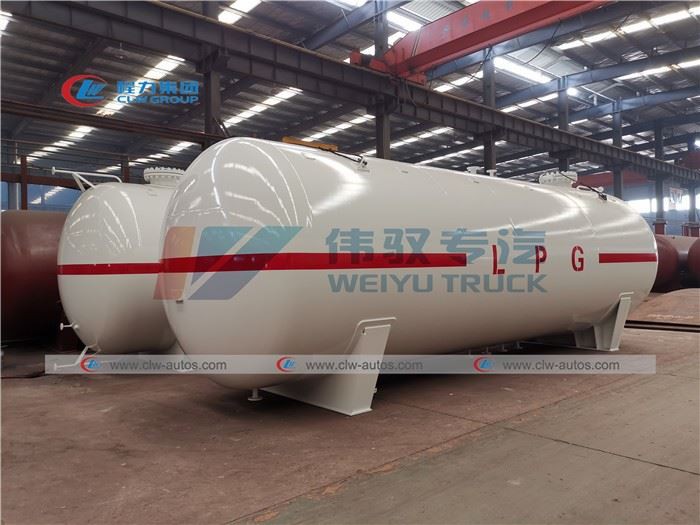
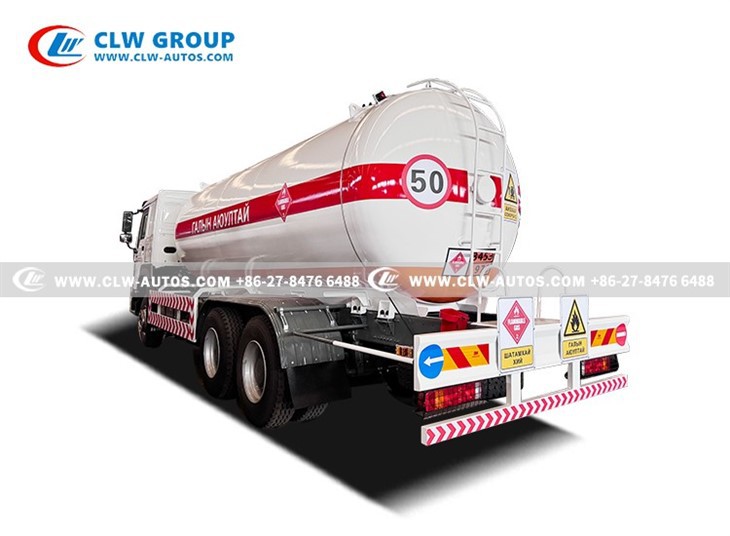
If you are in the market for an LPG Skid Station or related equipment, we offer a wide range of high-quality products, including SINOTRUK HOWO 10tons Propane Tank Truck and 50cbm 25tons 25mt LPG Storage Tank. We also have other products like Dongfeng 8m3 Rear Loader Garbage Truck for your waste management needs. If you are interested in our products or have any questions, please feel free to contact us for procurement and further discussions.
References
- NFPA 30: Flammable and Combustible Liquids Code
- API RP 2003: Protection Against Ignitions Arising Out of Static, Lightning, and Stray Currents
- ISO 6182-1: Fire protection in machinery - Part 1: General requirements