


Hey there! As a supplier of fuel tank trucks, I often get asked about the payload capacity of these vehicles. It's a crucial factor for anyone in the fuel transportation business, so I thought I'd take a deep dive into this topic and share some insights.
First off, let's talk about what payload capacity actually means. In simple terms, it's the amount of fuel a tank truck can carry safely and legally. This isn't just about the physical space inside the tank; it also takes into account the weight limits set by transportation regulations. Overloading a truck can lead to all sorts of problems, from increased wear and tear on the vehicle to serious safety hazards on the road.
The payload capacity of a fuel tank truck can vary widely depending on several factors. One of the most significant is the size and design of the tank itself. Tanks come in different shapes and sizes, and larger tanks generally have a higher payload capacity. For example, a small, single - compartment tank on a light - duty truck might only be able to carry a few hundred gallons of fuel. On the other hand, a large, multi - compartment tank on a heavy - duty truck can hold several thousand gallons.
Another factor that affects payload capacity is the type of truck chassis used. Heavy - duty truck chassis are designed to handle more weight, so they can support larger fuel tanks and higher payloads. Trucks like the HOWO Industry Vacuum Loader Truck are built with robust chassis that can take on a substantial load. These chassis are engineered to distribute the weight evenly, ensuring stability and safety while the truck is in motion.
The construction material of the tank also plays a role. Tanks can be made from different materials, such as steel or aluminum. Steel tanks are heavier but more durable, while aluminum tanks are lighter, which can increase the payload capacity of the truck. However, aluminum tanks may be more expensive and require more careful handling to prevent damage.
Now, let's look at some common payload capacities for different types of fuel tank trucks.
Light - duty fuel tank trucks are often used for smaller - scale fuel deliveries, like to gas stations in rural areas or for refueling small equipment. These trucks typically have a payload capacity ranging from 500 to 3,000 gallons. They are more maneuverable and can access areas where larger trucks might have difficulty.
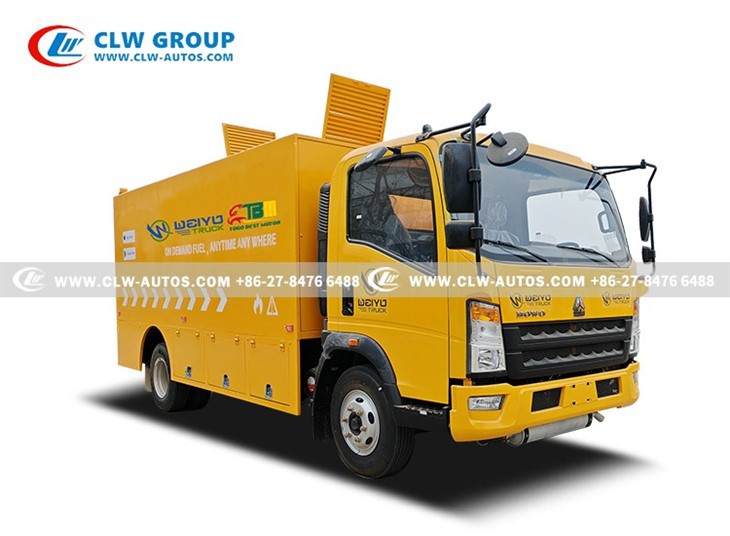
Medium - duty fuel tank trucks are a step up in terms of capacity. They usually have a payload capacity between 3,000 and 6,000 gallons. These trucks are suitable for a wider range of applications, including fueling construction sites, large commercial buildings, and medium - sized gas stations.
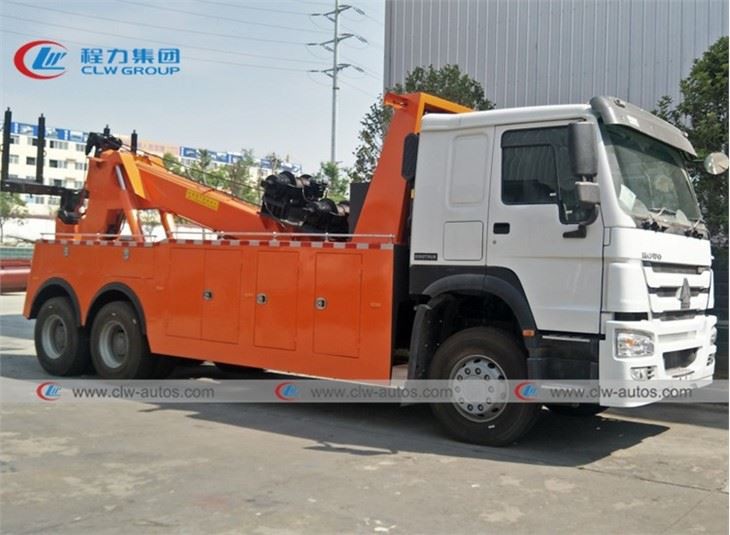
Heavy - duty fuel tank trucks are the workhorses of the industry. They can carry anywhere from 6,000 to over 11,000 gallons of fuel. These trucks are commonly used for long - distance fuel transportation and for supplying large fuel depots. A great example of a heavy - duty truck that can handle a significant payload is the Sinotruk HOWO 6x4 371hp 20Tons Road Wrecker Rescue Truck, which, although primarily a wrecker, has a chassis that can be adapted for high - capacity fuel tank applications.
When it comes to our company's offerings, we have a variety of fuel tank trucks with different payload capacities to meet the diverse needs of our customers. Our CAFU Fuel Truck SINOTRUK HOWO is a popular choice. It combines a reliable chassis with a well - designed fuel tank, offering a good balance between payload capacity and performance.
It's important to note that payload capacity isn't the only thing to consider when choosing a fuel tank truck. Other factors like fuel efficiency, maintenance requirements, and safety features are also crucial. A truck with a high payload capacity might not be the best choice if it guzzles fuel or requires frequent and expensive repairs.
In addition, regulatory requirements can vary from one region to another. Some areas have strict weight limits on the roads, which can affect the maximum payload capacity of a fuel tank truck. It's essential to make sure that the truck you choose complies with all the local regulations to avoid any legal issues.
If you're in the market for a fuel tank truck, it's a good idea to do your research and talk to an expert. We're here to help you find the right truck with the appropriate payload capacity for your specific needs. Whether you're a small - business owner looking for a light - duty truck or a large - scale fuel distributor in need of a heavy - duty vehicle, we can provide you with the information and options you need.
When you're evaluating different trucks, don't just focus on the payload capacity numbers. Take a close look at the overall design, the quality of the components, and the reputation of the manufacturer. A well - built truck will not only carry your fuel safely but also save you money in the long run by reducing maintenance costs and improving fuel efficiency.
In conclusion, the payload capacity of a fuel tank truck is a complex but important aspect to consider. It depends on factors like tank size, truck chassis, and construction material. By understanding these factors, you can make an informed decision when purchasing a fuel tank truck.
If you're interested in learning more about our fuel tank trucks or have any questions about payload capacity, feel free to reach out. We're always happy to have a chat and help you find the perfect truck for your business. Let's start a conversation and see how we can meet your fuel transportation needs.
References
- General knowledge of the fuel tank truck industry
- Manufacturer specifications of various fuel tank trucks