


As a reputable supplier of refrigerated trucks, I've witnessed firsthand the crucial role that cargo loading patterns play in the temperature distribution within these specialized vehicles. Refrigerated trucks are designed to transport perishable goods, such as food, pharmaceuticals, and flowers, at specific temperature ranges to maintain their quality and safety. However, improper loading can lead to uneven temperature distribution, which may compromise the integrity of the cargo. In this blog post, I'll explore the impact of cargo loading patterns on temperature distribution in refrigerated trucks and provide insights on how to optimize loading for better temperature control.
Understanding the Basics of Temperature Distribution in Refrigerated Trucks
Before delving into the impact of cargo loading patterns, it's essential to understand how temperature is distributed within a refrigerated truck. Refrigerated trucks are equipped with a refrigeration unit that circulates cold air throughout the cargo compartment. The cold air enters the compartment through an air inlet at the front of the truck and is distributed evenly across the cargo space. The air then returns to the refrigeration unit through an air outlet at the rear of the truck, where it is cooled and recirculated.
The temperature distribution within a refrigerated truck is influenced by several factors, including the design of the refrigeration system, the insulation of the cargo compartment, and the airflow patterns. However, one of the most significant factors is the way the cargo is loaded. Improper loading can disrupt the airflow patterns, creating hot spots and cold spots within the cargo compartment.
The Impact of Cargo Loading Patterns on Temperature Distribution
Uneven Loading
One of the most common loading mistakes is uneven loading, where the cargo is not distributed evenly across the cargo compartment. Uneven loading can create obstructions in the airflow path, preventing the cold air from reaching all areas of the cargo. This can result in hot spots, where the temperature is higher than the desired range, and cold spots, where the temperature is lower than the desired range.
For example, if a large pallet of goods is placed directly in front of the air inlet, it can block the airflow and prevent the cold air from reaching the rest of the cargo compartment. This can lead to a significant temperature difference between the front and the rear of the truck, with the front being colder and the rear being warmer.
Overloading
Overloading is another common loading mistake that can affect temperature distribution. When a refrigerated truck is overloaded, there is less space for the cold air to circulate, which can lead to poor airflow and uneven temperature distribution. Overloading can also put additional stress on the refrigeration system, reducing its efficiency and increasing the risk of breakdowns.
Incorrect Stacking
The way the cargo is stacked can also have a significant impact on temperature distribution. Stacking the cargo too high or too close together can restrict the airflow and create pockets of warm air. On the other hand, stacking the cargo too low or leaving large gaps between the pallets can allow the cold air to escape, leading to uneven temperature distribution.
Optimizing Cargo Loading Patterns for Better Temperature Control
Even Distribution
To ensure even temperature distribution, it's essential to distribute the cargo evenly across the cargo compartment. This can be achieved by using a loading plan that takes into account the size and weight of the cargo, as well as the airflow patterns within the truck. When loading the cargo, make sure to leave enough space between the pallets to allow for proper airflow.
Avoid Overloading
It's important to avoid overloading the refrigerated truck. Make sure to check the weight capacity of the truck and only load it with the amount of cargo that it can safely carry. Overloading not only affects temperature distribution but also increases the risk of accidents and damage to the truck.
Proper Stacking
Proper stacking is crucial for maintaining good airflow and even temperature distribution. When stacking the cargo, make sure to leave enough space between the pallets to allow for the cold air to circulate. Avoid stacking the cargo too high or too close together, as this can restrict the airflow and create hot spots.
Real-World Examples and Case Studies
To illustrate the impact of cargo loading patterns on temperature distribution, let's take a look at some real-world examples. A recent study conducted by a leading logistics company found that improper loading was the primary cause of temperature deviations in refrigerated trucks. In one case, a truck was loaded with a large pallet of goods directly in front of the air inlet, blocking the airflow and causing the temperature in the rear of the truck to rise by several degrees.
Another case involved a truck that was overloaded with cargo. The excessive weight put additional stress on the refrigeration system, reducing its efficiency and causing the temperature to fluctuate throughout the cargo compartment. As a result, a significant portion of the cargo was spoiled, leading to substantial financial losses for the company.
The Role of Technology in Monitoring and Optimizing Temperature Distribution
In addition to proper loading techniques, technology can also play a crucial role in monitoring and optimizing temperature distribution in refrigerated trucks. Many modern refrigerated trucks are equipped with temperature sensors and monitoring systems that can provide real-time data on the temperature inside the cargo compartment. This data can be used to identify any temperature deviations and take corrective actions immediately.
Some advanced monitoring systems can even analyze the data and provide recommendations on how to optimize the loading pattern to improve temperature distribution. For example, the system may suggest rearranging the cargo to ensure better airflow or reducing the load to prevent overloading.
Conclusion
In conclusion, cargo loading patterns have a significant impact on the temperature distribution in refrigerated trucks. Improper loading can lead to uneven temperature distribution, which can compromise the quality and safety of the cargo. By following proper loading techniques, such as even distribution, avoiding overloading, and proper stacking, you can ensure better temperature control and protect your valuable cargo.
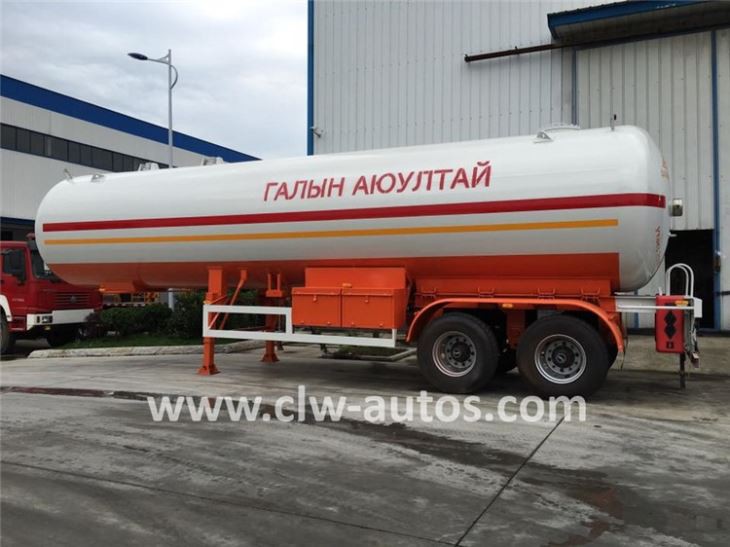
As a supplier of refrigerated trucks, we are committed to providing our customers with the highest quality products and services. We offer a wide range of refrigerated trucks, including 20Ton LPG Tank Semi Trailer With Air Balloon Suspension and 18MT LPG Tanker Trailer, that are designed to meet the specific needs of your business. We also provide comprehensive training and support to help you optimize the loading and operation of your refrigerated trucks.
If you are interested in learning more about our refrigerated trucks or have any questions about cargo loading and temperature distribution, please feel free to contact us. We would be happy to discuss your requirements and provide you with a customized solution.
References
- "Best Practices for Loading and Unloading Refrigerated Trucks," Logistics Management Magazine
- "The Impact of Cargo Loading on Temperature Distribution in Refrigerated Transport," Journal of Cold Chain Management
- "Optimizing Temperature Control in Refrigerated Trucks: A Case Study," International Journal of Logistics and Supply Chain Management