


As a leading supplier of LPG Bobtail Trucks, I've witnessed firsthand the critical role that communication systems play in these specialized vehicles. In this blog post, I'll delve into the various communication systems found in an LPG Bobtail Truck, explaining their functions, importance, and how they contribute to the overall safety and efficiency of LPG transportation.
1. On - Board Communication with the Dispatcher
One of the primary communication needs for an LPG Bobtail Truck is to stay in touch with the dispatcher at the base. This is typically achieved through a mobile communication device, such as a ruggedized smartphone or a dedicated in - vehicle communication terminal.
The dispatcher uses this communication channel to assign delivery routes, provide real - time traffic updates, and receive status reports from the driver. For example, if there is an unexpected road closure on the planned route, the dispatcher can quickly inform the driver and suggest an alternative path. This helps to minimize delays and ensures that LPG deliveries are made on time.
Modern in - vehicle communication terminals often come with GPS tracking capabilities. This allows the dispatcher to monitor the truck's location in real - time. The GPS data can also be used for route optimization. By analyzing historical traffic patterns and the current location of the truck, the dispatcher can plan the most efficient routes for future deliveries.
2. Communication with LPG Storage Facilities
When an LPG Bobtail Truck arrives at a storage facility for loading or unloading, clear communication is essential. The truck driver needs to communicate with the facility operators to coordinate the transfer of LPG.
This communication can be done through a variety of means. Some facilities use radio communication systems, where the driver and the facility operator can exchange information such as the quantity of LPG to be loaded or unloaded, the status of the storage tanks, and any safety precautions.
In addition, there are often automated communication systems in place. For example, the truck may be equipped with sensors that can transmit data about the LPG tank's capacity, pressure, and temperature to the storage facility's control system. This data helps the facility operators to manage the loading and unloading process more safely and efficiently.
3. Internal Communication within the Truck
Inside the LPG Bobtail Truck, there are also communication systems that allow the driver to monitor and control various functions. For instance, the dashboard of the truck is equipped with a control panel that displays important information such as the level of LPG in the tank, the engine's performance parameters, and the status of safety systems.
The control panel is connected to various sensors and actuators throughout the truck. If a sensor detects a problem, such as a leak in the LPG tank or an abnormal engine temperature, it sends a signal to the control panel. The control panel then alerts the driver through visual and auditory alarms.
Some advanced trucks also have an internal communication network that allows different components of the truck to communicate with each other. For example, the engine management system can communicate with the transmission system to optimize the truck's performance based on the load and driving conditions.
4. Safety - Related Communication Systems
Safety is of utmost importance in LPG transportation. There are several communication systems designed specifically to enhance safety.
One such system is the emergency communication system. In the event of an accident or a serious malfunction, the driver can use this system to send an emergency signal to the dispatcher and other relevant authorities. The signal may include information such as the truck's location, the nature of the emergency, and the estimated time of arrival of emergency responders.
Another safety - related communication system is the gas detection system. LPG is a flammable gas, and any leak can pose a significant safety risk. Gas detectors are installed throughout the truck, especially near the LPG tank and the loading and unloading connections. If a gas leak is detected, the detectors send a signal to the control panel, which then activates an alarm. The system may also be configured to send a notification to the dispatcher, so that appropriate safety measures can be taken immediately.
5. Communication with Other Road Users
LPG Bobtail Trucks are large vehicles that need to share the road with other motorists. To enhance safety on the road, these trucks are equipped with communication systems to interact with other road users.
One common feature is the use of warning lights and signs. The truck may have bright warning lights on the front, rear, and sides to indicate its presence, especially when it is making a turn or stopping. In addition, there are often signs on the truck that indicate the type of cargo it is carrying (LPG) and the safety precautions that other road users should take.
Some trucks are also equipped with vehicle - to - vehicle (V2V) communication systems. These systems allow the truck to exchange information with other nearby vehicles, such as their speed, direction, and distance. This information can be used to prevent collisions and improve traffic flow. For example, if a car in front of the truck suddenly brakes, the V2V system can alert the truck driver, giving them more time to react.
Related Products and Their Importance in the Industry
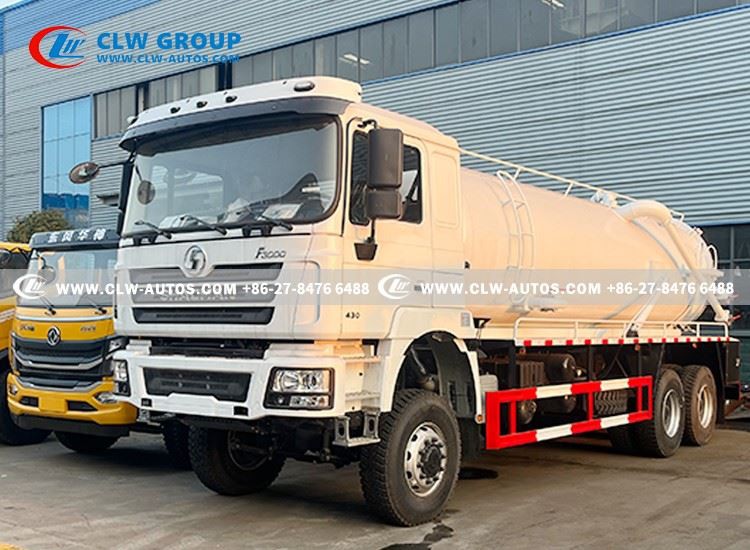
In the transportation industry, different types of trucks serve various purposes. For example, the Shacman 12m3 Sewer Jetting Truck is designed for sewer cleaning. It uses high - pressure water jets to clear blockages in sewer pipes, ensuring the proper functioning of the sewage system.
The ISUZU 5CBM 5tons Water Bowser Truck is used for transporting water. It is often used in construction sites, for dust suppression, or in areas where there is a shortage of water.
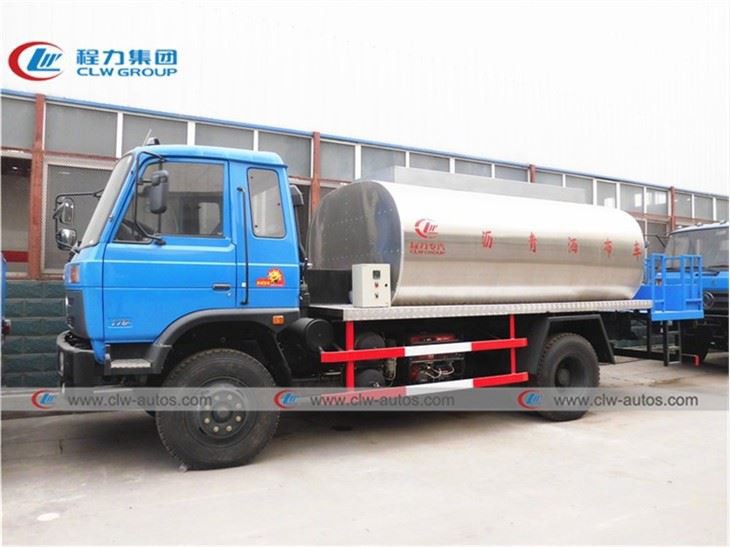
The Dongfeng 8000liters Asphalt Distributor Bitumen Spreader Truck plays a crucial role in road construction. It evenly distributes asphalt or bitumen on the road surface, ensuring a smooth and durable road.
These trucks, like the LPG Bobtail Truck, rely on effective communication systems to operate safely and efficiently. Whether it's communicating with the dispatcher, other road users, or the facilities they interact with, communication is the key to success in the transportation industry.
Conclusion
In conclusion, the communication systems in an LPG Bobtail Truck are diverse and essential. They enable the truck to communicate with the dispatcher, LPG storage facilities, other road users, and even its own internal components. These communication systems contribute to the safety, efficiency, and reliability of LPG transportation.
If you are in the market for an LPG Bobtail Truck or any of the related products mentioned above, I encourage you to reach out to us. Our team of experts is ready to assist you in finding the right truck for your needs and can provide detailed information about the communication systems and other features. Contact us today to start the procurement process and discuss how we can meet your transportation requirements.
References
- "Transportation of Liquefied Petroleum Gas (LPG): Safety and Operational Guidelines", International Association of LPG Importers
- "Vehicle Communication Systems: A Review", Journal of Transportation Technology
- "Advanced Communication Technologies for Trucks", Proceedings of the International Conference on Transportation Engineering