


Do garbage trucks run on diesel or gasoline? This is a question that often comes up when people think about the operation of these essential vehicles. As a supplier of garbage trucks, I'm here to shed some light on this topic and provide you with a comprehensive understanding of the fuel options for garbage trucks.
The Traditional Choice: Diesel Engines
For many years, diesel engines have been the go - to choice for garbage trucks. There are several compelling reasons for this long - standing preference.

Power and Torque
Garbage trucks need to handle heavy loads. When they collect and compact waste, they require a significant amount of power. Diesel engines are well - known for their high torque output. Torque is the rotational force that allows the truck to move heavy loads, especially when starting from a stop or climbing hills. For example, when a garbage truck is making its rounds and stops at each collection point, it needs to quickly accelerate with a full load of waste. The high torque of a diesel engine enables it to do this efficiently.
Fuel Efficiency
Diesel fuel contains more energy per gallon compared to gasoline. This means that diesel engines can convert a higher percentage of the fuel's energy into mechanical work. In the context of garbage trucks, which often cover long routes and operate for extended periods, fuel efficiency is crucial. A more fuel - efficient engine means lower operating costs over the life of the vehicle. A garbage truck with a diesel engine can travel further on a single tank of fuel, reducing the frequency of refueling stops and increasing the overall productivity of the waste collection operation.
Durability
Garbage trucks are subjected to harsh operating conditions. They make frequent stops and starts, carry heavy loads, and often operate in rough environments. Diesel engines are built to be more robust and durable. Their internal components, such as the pistons, cylinders, and crankshafts, are designed to withstand the high compression ratios and heavy loads associated with diesel combustion. This durability translates into fewer breakdowns and lower maintenance costs over the long term.
Availability of Diesel Fuel
Diesel fuel is widely available at gas stations across the country. This is an important factor for garbage truck operators, as they need to be able to refuel their vehicles easily during their daily routes. The widespread availability of diesel fuel ensures that garbage trucks can operate without significant disruptions due to fuel shortages.
The Emergence of Gasoline - Powered Garbage Trucks
While diesel engines have dominated the garbage truck market, gasoline - powered garbage trucks are also an option, and they have their own set of advantages.
Lower Initial Cost
Gasoline engines are generally less expensive to manufacture than diesel engines. This means that the upfront cost of a gasoline - powered garbage truck is often lower. For smaller waste management companies or municipalities with budget constraints, a gasoline - powered garbage truck can be an attractive option. It allows them to acquire the necessary equipment at a lower initial investment.
Cleaner Emissions in Some Cases
Modern gasoline engines have made significant improvements in terms of emissions. In some areas with strict air quality regulations, gasoline - powered garbage trucks may be a better choice. Gasoline engines produce fewer particulate matter emissions compared to diesel engines. Particulate matter, such as soot and fine particles, can have a negative impact on air quality and human health. By using gasoline - powered garbage trucks, waste management companies can contribute to a cleaner environment.
Easier Maintenance in Some Aspects
Gasoline engines are generally simpler in design compared to diesel engines. They have fewer complex components, such as diesel particulate filters and exhaust gas recirculation systems. This can make maintenance and repairs easier and less expensive in some cases. For smaller repair shops or operators with limited technical expertise, a gasoline - powered garbage truck may be more manageable.
Factors Influencing the Fuel Choice
When deciding whether to choose a diesel or gasoline - powered garbage truck, several factors come into play.
Operating Environment
The type of environment in which the garbage truck will operate is a crucial factor. If the truck will be operating in a densely populated urban area with strict emissions regulations, a gasoline - powered truck may be more suitable. On the other hand, if the truck will be used in a rural area with long distances between collection points and heavy loads, a diesel - powered truck is likely the better choice.
Budget
Budget is always a consideration. As mentioned earlier, gasoline - powered trucks have a lower initial cost, but diesel trucks may offer better long - term fuel efficiency and durability. Waste management companies need to weigh the upfront cost against the long - term operating costs when making a decision.
Vehicle Size and Capacity
Larger garbage trucks with higher capacity requirements typically benefit from the power and torque of diesel engines. Smaller, lighter - duty garbage trucks may be well - suited for gasoline engines. For example, a small neighborhood waste collection truck may be able to operate effectively with a gasoline engine, while a large commercial waste collection truck will likely need the power of a diesel engine.
Our Product Offerings
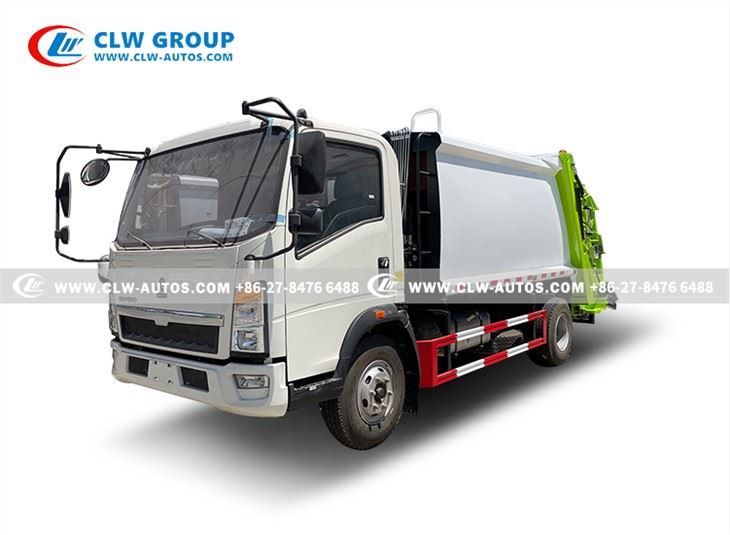
As a garbage truck supplier, we understand the diverse needs of our customers. We offer a range of garbage trucks powered by both diesel and gasoline engines. For example, our HOWO 8cbm Waste Collection Truck Garbage Compactor Vehicle is a popular choice for many waste management companies. It is powered by a reliable diesel engine, providing the power and durability needed for efficient waste collection and compaction.
In addition to our garbage trucks, we also offer other types of vehicles for different applications. Our Sinotruk Howo Truck With 12Tons XCMG Crane is a versatile construction vehicle, and our NPR Flatbed Truck With 4Ton Crane is ideal for various lifting and transportation tasks.
Conclusion
In conclusion, both diesel and gasoline engines have their own advantages and disadvantages when it comes to powering garbage trucks. Diesel engines offer power, torque, fuel efficiency, and durability, while gasoline engines provide a lower initial cost, cleaner emissions in some cases, and easier maintenance in certain aspects. The choice between diesel and gasoline - powered garbage trucks depends on a variety of factors, including the operating environment, budget, and vehicle size.
If you are in the market for a garbage truck or any of our other vehicles, we invite you to contact us for a detailed discussion about your specific needs. Our team of experts is ready to help you choose the right vehicle and fuel option for your waste management or construction operations.
References
- "Diesel vs. Gasoline Engines: A Comparison." Society of Automotive Engineers.
- "The Future of Fuel in Waste Collection Vehicles." Waste Management Journal.
- "Emissions Standards for Garbage Trucks." Environmental Protection Agency.