


As a supplier of LPG trailers, I've had the opportunity to closely observe the various aspects of these specialized vehicles, including their environmental impacts. LPG, or liquefied petroleum gas, is a popular fuel source due to its relatively clean - burning nature compared to some other fossil fuels. However, LPG trailers, which are used to transport this gas, also have their own set of environmental implications.
Positive Environmental Impacts
Cleaner Combustion of LPG
LPG is composed mainly of propane and butane. When burned, it produces fewer harmful emissions compared to gasoline and diesel. For instance, it emits significantly less particulate matter, sulfur dioxide, and nitrogen oxides. Particulate matter is a major contributor to air pollution and can cause respiratory problems in humans. Sulfur dioxide is associated with acid rain, which can damage forests, lakes, and buildings. Nitrogen oxides contribute to the formation of smog and ground - level ozone, both of which are harmful to human health and the environment.
Since LPG trailers are used to transport this cleaner - burning fuel, they play an indirect role in reducing the overall environmental impact of the energy sector. By facilitating the distribution of LPG, these trailers help more consumers switch from dirtier fuels to LPG, leading to improved air quality in the areas where LPG is used.
Energy Efficiency
LPG trailers are designed to be relatively energy - efficient. Modern trailers are built with advanced insulation materials that minimize heat transfer. This is crucial because LPG needs to be kept in a liquid state during transportation, which requires maintaining a certain temperature and pressure. The better the insulation, the less energy is needed to keep the LPG in its proper state. This energy savings not only reduces the operating costs of the trailer but also decreases the amount of fuel burned by the towing vehicle, thus reducing greenhouse gas emissions.
Negative Environmental Impacts
Potential for Leakage
One of the most significant environmental risks associated with LPG trailers is the potential for leakage. LPG is highly flammable, and a large - scale leak can pose a serious safety hazard. From an environmental perspective, leaked LPG can contribute to air pollution. When LPG is released into the atmosphere, it can react with other pollutants and sunlight to form ground - level ozone, a harmful air pollutant.
Moreover, if LPG leaks into the soil or water, it can contaminate these resources. LPG is a hydrocarbon, and when it enters the soil, it can disrupt the natural balance of soil microorganisms. In water bodies, it can harm aquatic life by reducing the oxygen levels and coating the gills of fish and other organisms.
Manufacturing and Disposal
The manufacturing process of LPG trailers has its own environmental footprint. The production of steel, which is a major component of these trailers, requires a large amount of energy and produces significant amounts of greenhouse gas emissions. Additionally, the manufacturing process may involve the use of various chemicals and solvents, which can be released into the environment if not properly managed.
When an LPG trailer reaches the end of its useful life, its disposal also presents environmental challenges. Recycling the trailer can be complex, as it contains different materials such as steel, rubber, and plastic. If not recycled properly, these materials can end up in landfills, where they may take a long time to decompose and can potentially release harmful substances into the environment.
Mitigating the Environmental Impacts
Regular Maintenance and Inspection
To reduce the risk of leakage, regular maintenance and inspection of LPG trailers are essential. This includes checking the integrity of the tank, valves, and connections. Any signs of wear and tear should be addressed immediately. By ensuring that the trailers are in good working condition, the likelihood of a major leak can be significantly reduced.
Advanced Safety Features
Modern LPG trailers are equipped with advanced safety features such as pressure relief valves, leak detection systems, and emergency shut - off valves. These features are designed to prevent and respond to potential leaks. Pressure relief valves help maintain the proper pressure inside the tank, while leak detection systems can quickly identify any leaks and trigger an alarm. Emergency shut - off valves can be used to stop the flow of LPG in case of an emergency.
Recycling and Sustainable Manufacturing
In terms of manufacturing, companies can adopt more sustainable practices. This can include using recycled materials in the production process, reducing energy consumption during manufacturing, and properly managing chemical waste. When it comes to disposal, efforts should be made to recycle as much of the trailer as possible. Recycling not only reduces the amount of waste going to landfills but also conserves natural resources.
Our Product Range and Environmental Considerations
As a LPG trailer supplier, we are committed to providing high - quality trailers that are both safe and environmentally friendly. In addition to our LPG trailers, we also offer a diverse range of other trailers and trucks. For example, we have the 3 Alxe 40000liters Stainless Steel Bitumen Tanker Semi Trailer, which is designed for transporting bitumen. Bitumen is a thick, sticky substance used in road construction, and our tanker trailers are built to ensure safe and efficient transportation.
We also have the Philippines Compressed Garbage Truck 20CBM. This garbage truck is designed to collect and compress garbage, reducing the number of trips needed for waste collection and thus saving fuel and reducing emissions.
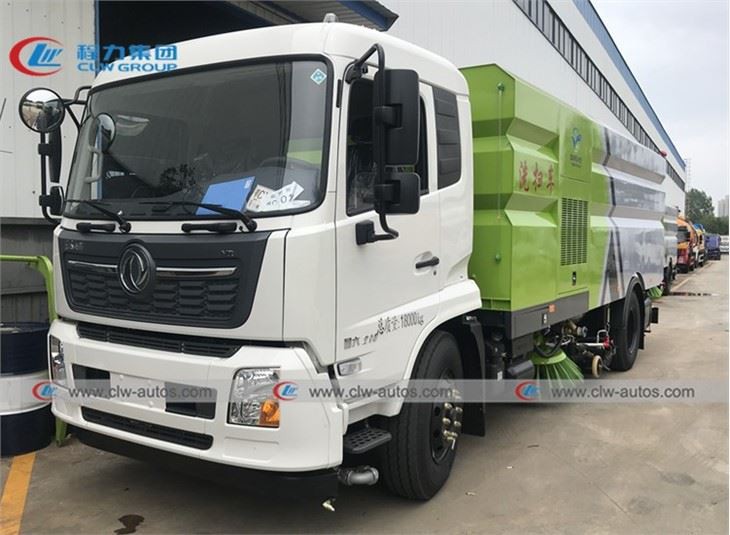
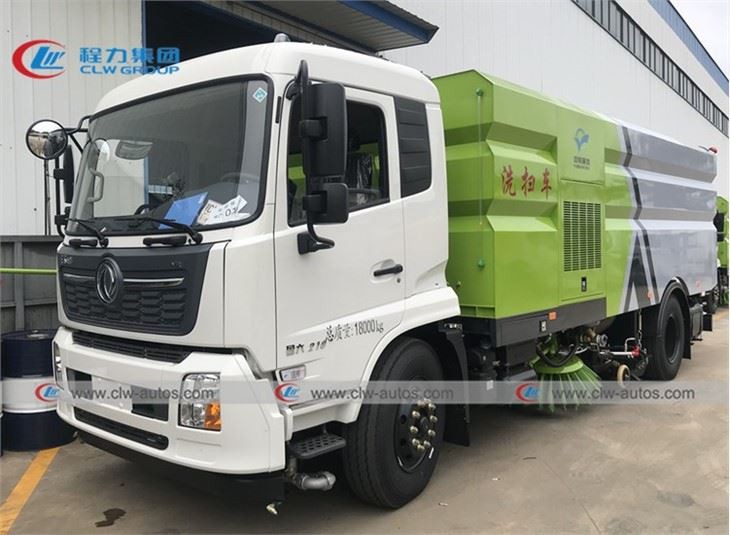
Another product in our portfolio is the 10,000Liters Vacuum Road Washing Sweeper Truck. This truck is used for road cleaning and can effectively remove dirt and debris from the roads, improving air quality by reducing the amount of dust and particulate matter in the air.
Conclusion and Call to Action
In conclusion, LPG trailers have both positive and negative environmental impacts. While they play a role in facilitating the use of a cleaner - burning fuel, they also pose risks such as leakage and have environmental implications during manufacturing and disposal. However, through proper maintenance, the use of advanced safety features, and sustainable manufacturing and disposal practices, these negative impacts can be mitigated.
If you are in the market for LPG trailers or any of our other products, we encourage you to contact us for a detailed discussion. Our team of experts can provide you with more information about our products, their environmental features, and how they can meet your specific needs. We are committed to providing you with the best solutions that balance performance, safety, and environmental responsibility.
References
- American Petroleum Institute. (2019). "Liquefied Petroleum Gas (LPG) Handling and Storage."
- Environmental Protection Agency. (2020). "Air Quality and Emissions from Fossil Fuels."
- International Maritime Organization. (2018). "Guidelines for the Safe Transport of Liquefied Petroleum Gas in Bulk."