


Hey there! I'm a supplier of LPG trailers, and today I wanna chat about how to use the safety valves on an LPG trailer. It's super important stuff, so let's dive right in.
First off, what are safety valves on an LPG trailer? Well, they're like the guardians of your trailer. Their main job is to prevent over - pressurization in the LPG tank. LPG is stored under pressure, and if the pressure gets too high, it can be extremely dangerous. Safety valves are designed to open when the pressure reaches a certain limit, releasing excess gas to bring the pressure back to a safe level.
Types of Safety Valves
There are a few different types of safety valves commonly used on LPG trailers. The most common ones are spring - loaded safety valves. These valves have a spring that holds a disc against the valve seat. When the pressure inside the tank exceeds the set pressure of the spring, the disc is pushed off the seat, and gas is released.
Another type is the pilot - operated safety valve. These valves are a bit more complex. They use a small pilot valve to control the opening and closing of the main valve. They're often used in larger LPG trailers because they can handle higher flow rates.
Pre - Use Checks
Before you even think about using the safety valves, you need to do some pre - use checks. First, visually inspect the valve. Look for any signs of damage, like cracks or corrosion. If you see any damage, don't use the valve. Get it replaced right away.
Check the valve's nameplate. This will tell you the set pressure of the valve. Make sure it's set to the correct pressure for your LPG trailer. You can usually adjust the set pressure, but it's a job for a trained professional.
Also, check the valve's discharge outlet. It should be clear of any obstructions. If there's something blocking the outlet, the valve won't be able to release gas properly, and that's a big no - no.
Using the Safety Valves
So, when do you actually use the safety valves? Well, they're supposed to work automatically. When the pressure inside the LPG tank rises above the set pressure of the valve, the valve will open on its own. You don't need to do anything manually to make it open.
However, there are some situations where you might need to test the valve. But this should only be done by a qualified technician. They'll use special equipment to simulate an over - pressure situation and see if the valve opens at the right pressure.
If you ever notice that the safety valve is leaking gas when it shouldn't be, that's a sign of a problem. Don't try to fix it yourself. Immediately shut down the system and call a professional.
Post - Use Procedures
After the safety valve has opened and released gas, there are some post - use procedures you need to follow. First, make sure the pressure inside the tank has returned to a safe level. If not, there might be an underlying problem, like a malfunctioning compressor or a leak in the tank.
Once the pressure is safe, have the valve inspected by a professional. They'll check if the valve can be reused or if it needs to be replaced. Sometimes, after opening, the valve might not seal properly again, and it'll need to be serviced.
Importance of Regular Maintenance
Regular maintenance of the safety valves is crucial. Just like any other piece of equipment, safety valves can wear out over time. Dirt, debris, and corrosion can affect their performance.
You should have the safety valves inspected and tested at least once a year. A professional technician will clean the valve, check the spring tension, and make sure all the parts are in good working condition. This way, you can be confident that the safety valves will work when you need them to.
Related Products
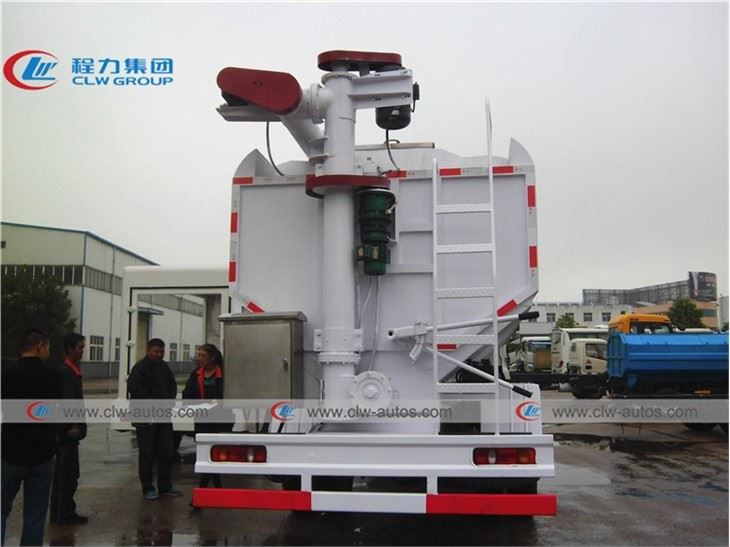
As an LPG trailer supplier, we also offer other great products. For example, if you're in the market for a bulk feed transport truck, check out our Dongfeng 20CBM Bulk Feed Transport Truck. It's a reliable and efficient option for transporting bulk feed.
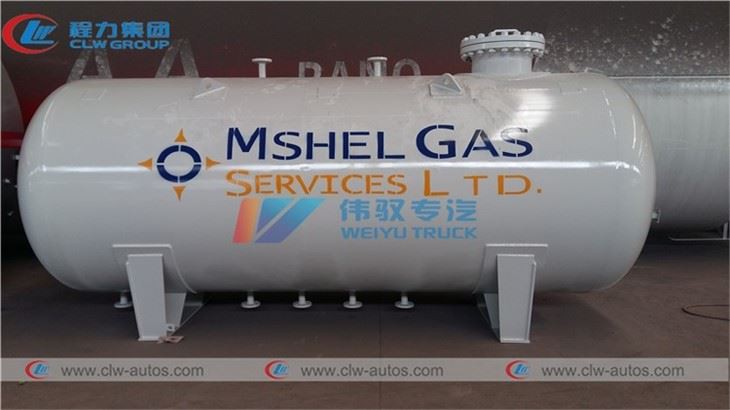
We also have the 15CBM 7MT 8MT LPG Storage Tanker. This tanker is perfect for storing and transporting LPG. And if you need a fecal suction truck, take a look at our Dongfeng 6000Liters 6CBM Fecal Suction Truck.
Conclusion
Using the safety valves on an LPG trailer is all about following the right procedures and doing regular maintenance. These valves are your first line of defense against over - pressurization, and they can save you from some serious trouble.
If you're interested in our LPG trailers or any of our other products, don't hesitate to reach out. We're here to help you find the right solutions for your needs. Whether you're a small business or a large company, we've got the products and expertise to support you.
References
- "LPG Safety Handbook" - A comprehensive guide on LPG safety and equipment.
- Manufacturer's manuals for LPG trailers and safety valves.