


Hey there, folks! As a supplier of Light Box Trucks, I often get asked this question: “What is the power source for the lights on a Light Box Truck?” Well, let me break it down for you in a way that’s easy to understand.
First things first, let's talk about the different types of power sources that can be used to light up those cool light boxes on our trucks. There are mainly three options: the truck’s alternator, batteries, and sometimes even external power sources.
The truck's alternator is the most common power source. When the engine is running, the alternator generates electricity. It's like a little power - making machine under the hood. The alternator takes the mechanical energy from the engine and converts it into electrical energy. This electrical energy is then used to power the lights on the light box. One of the big advantages of using the alternator is that as long as the engine is running, there's a continuous supply of power. So, if you're on the move, the lights on your light box will keep shining bright.
However, there's a downside. If you turn off the engine, the alternator stops generating power. So, if you want to keep the lights on when the truck is parked, you'll need another solution. That's where batteries come in.
Batteries are a great addition to the power system of a light box truck. There are two types of batteries that are commonly used: lead - acid batteries and lithium - ion batteries. Lead - acid batteries have been around for a long time. They're relatively cheap and can store a decent amount of energy. But they're also quite heavy and have a limited lifespan. Lithium - ion batteries, on the other hand, are lighter, have a longer lifespan, and can charge faster. They're more expensive, but in the long run, they can be a better investment.
You can charge the batteries while the truck's engine is running, using the alternator. Then, when you park the truck, you can switch to the battery power to keep the lights on. This way, you can still have your light box advertising even when the truck is stationary.
Now, what about external power sources? Sometimes, if the light box truck is parked at a fixed location, like a trade show or a special event, you can plug it into an external power outlet. This is a simple and reliable way to power the lights. You don't have to worry about the battery running out or the engine consuming fuel. It's a great option for long - term stationary advertising.
Another interesting thing to consider is the power management system. A good power management system can make a big difference in how efficiently the lights on the light box are powered. It can regulate the power flow from the alternator to the batteries and to the lights. It can also protect the batteries from over - charging or over - discharging, which can extend their lifespan.
As a Light Box Truck supplier, we offer different configurations to suit your needs. Whether you need a truck that mainly relies on the alternator for power, one that has a powerful battery system, or one that can be easily connected to an external power source, we've got you covered.
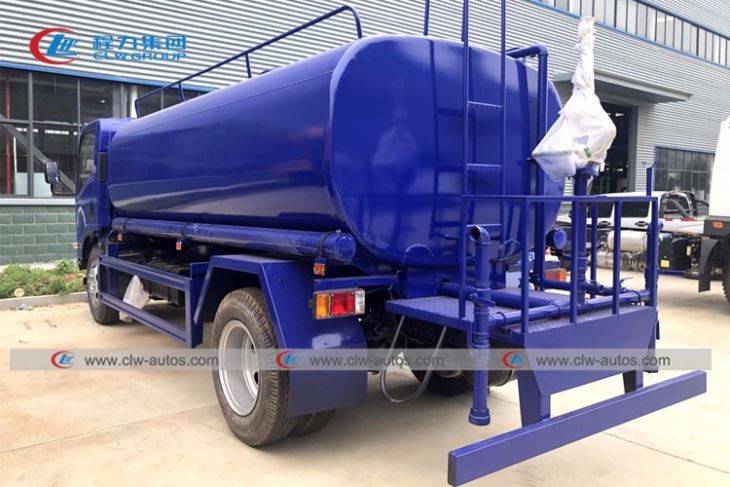
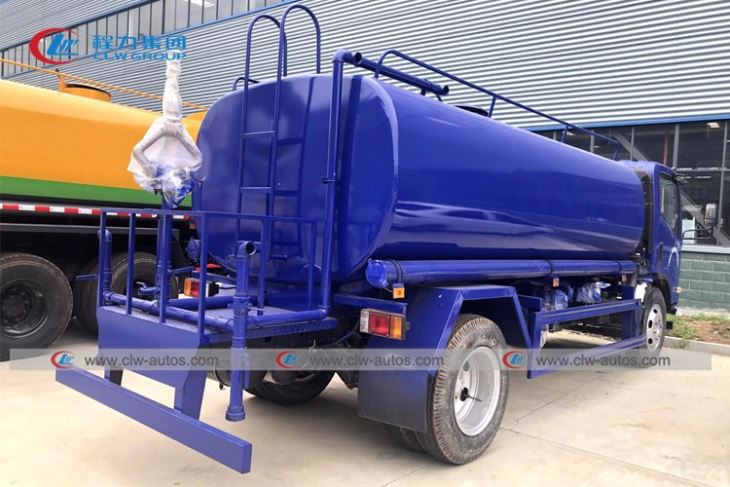
Let's take a look at some of the trucks we have in our inventory. We have the ISUZU 5CBM 5tons Water Bowser Truck. Although it's a water bowser truck, the power - related technologies we use in it can also be applied to our light box trucks. The alternator and battery management in this truck are designed to be efficient and reliable, which gives you an idea of the quality we strive for in all our vehicles.
Our Howo P5 LED Advertisement Truck With Hydraulic Rear Plate is a great example of a light box truck with a well - thought - out power system. The LED lights on this truck require a stable power supply, and our power management system ensures that they shine bright all the time, whether the truck is moving or parked.
And then there's the FAW J6P 8x4 25T Recovery Truck. While it's a recovery truck, the principles of power generation and distribution are similar to what we apply in our light box trucks. The robust electrical system in this truck shows our expertise in handling different power requirements.
If you're in the market for a light box truck, you need to think about your specific needs. How often will the truck be on the move? How long do you need the lights to stay on when it's parked? These questions will help you decide which power source configuration is best for you.
If you're interested in our light box trucks or have any questions about the power sources or any other features, don't hesitate to reach out. We're here to help you find the perfect truck that meets your advertising goals. Whether you're a small business looking to increase brand awareness or a large corporation wanting to make a big impact, our light box trucks can be a great investment.
In conclusion, understanding the power source for the lights on a light box truck is crucial. Whether it's the alternator, batteries, or external power sources, each has its own advantages and disadvantages. As a supplier, we can guide you through the selection process to make sure you get a truck that works best for you. So, if you're ready to take your advertising to the next level with a light box truck, get in touch with us today and let's start the conversation!
References
- General knowledge on vehicle electrical systems
- In - house research and development data on light box trucks