


Hey there! As a supplier of refrigerated trailers, I often get asked about the different floor materials used in these units. Well, you've come to the right place! In this blog post, I'm gonna break down the most common floor materials for refrigerated trailers, their pros and cons, and help you decide which one might be the best fit for your needs.
1. Aluminum Flooring
Aluminum is a popular choice for refrigerated trailer floors, and for good reason. First off, it's incredibly lightweight. This is a huge advantage because it helps to reduce the overall weight of the trailer, which in turn can improve fuel efficiency. When you're running a fleet of refrigerated trailers, even a small increase in fuel efficiency can add up to significant savings over time.
Another great thing about aluminum is its corrosion resistance. Since refrigerated trailers are often exposed to moisture, ice, and various chemicals used in the food and beverage industry, corrosion can be a major problem. Aluminum floors can withstand these harsh conditions without rusting or deteriorating, ensuring a longer lifespan for your trailer.
However, aluminum floors do have a few drawbacks. They can be more expensive upfront compared to some other materials. Also, while they're strong, they may not be as impact - resistant as some other options. If you're regularly loading and unloading heavy or sharp - edged items, there's a chance that the aluminum floor could get dented or scratched.
If you're interested in other types of trailers, you might want to check out our 3 - axle 25Tons 50000liters LPG Tanker Trailer.
2. Steel Flooring
Steel is a classic choice for trailer floors, and it brings some serious muscle to the table. One of the biggest advantages of steel flooring is its strength and durability. It can handle heavy loads and rough handling without breaking a sweat. Whether you're transporting large pallets of frozen goods or heavy machinery, a steel floor can take the punishment.
Steel is also relatively inexpensive compared to aluminum. This makes it a great option if you're on a tight budget or if you need a large number of trailers. And if you do end up with some scratches or dents on the steel floor, they're usually not a big deal and can be easily repaired.
But steel isn't perfect. The main issue with steel is its susceptibility to corrosion. If the protective coating on the steel floor gets damaged, it can start to rust, especially in a moist environment like a refrigerated trailer. To combat this, steel floors often need to be treated with special coatings or paints, which adds to the maintenance cost.
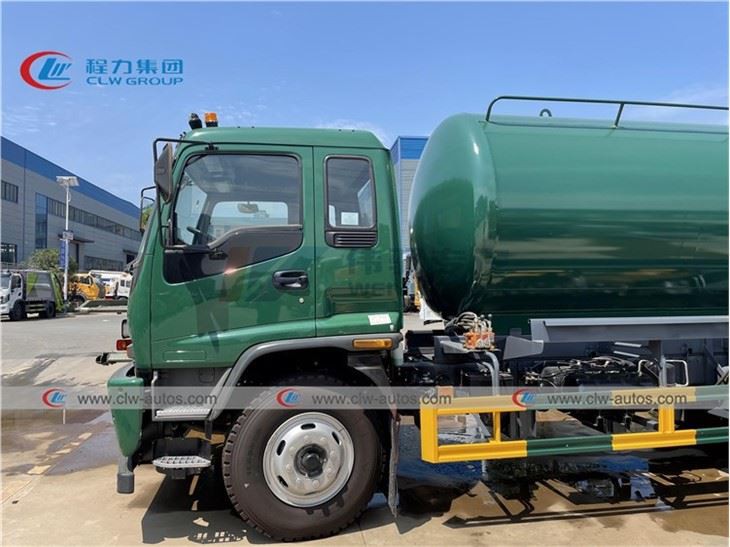
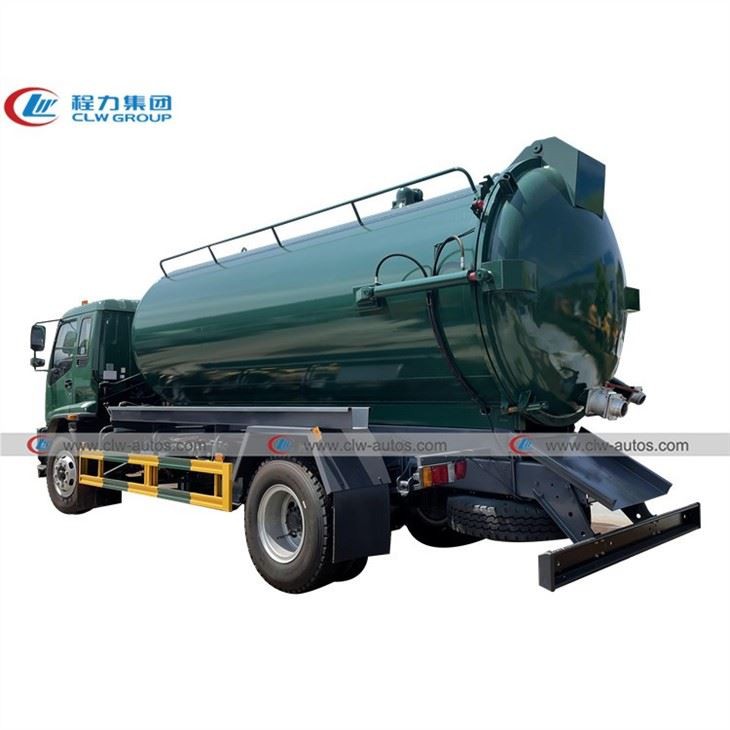
For those in the cleaning industry, our ISUZU Vacuum Sludge Pumper Truck 10Tons 10,000L might be just what you need.
3. Fiberglass Reinforced Plastic (FRP) Flooring
FRP flooring is a bit of a newcomer in the world of refrigerated trailer floors, but it's quickly gaining popularity. One of the key benefits of FRP is its non - slip surface. This is crucial in a refrigerated trailer, where the floor can get wet and slippery from melting ice or condensation. A non - slip surface helps to prevent accidents and injuries when workers are loading and unloading goods.
FRP is also lightweight, similar to aluminum, which can contribute to better fuel efficiency. It's resistant to chemicals, so it can handle spills and cleaning agents without getting damaged. And it has good insulation properties, which can help to keep the cold air inside the trailer and reduce energy consumption.
On the downside, FRP can be more expensive than steel, and it may not be as strong as steel or aluminum in terms of impact resistance. Over time, it can also show signs of wear and tear, especially if it's exposed to heavy traffic or sharp objects.
If you're in the chemical transportation business, take a look at our FAW 10Ton Ammonia Liquid Tank Truck.
4. Plywood Flooring
Plywood is a traditional and cost - effective option for refrigerated trailer floors. It's easy to install and can be cut to fit the specific dimensions of the trailer. Plywood is also relatively lightweight, which can help with fuel efficiency.
One of the advantages of plywood is its shock - absorbing properties. It can cushion the impact of heavy loads, reducing the risk of damage to the goods being transported. And if you need to make any modifications to the floor, like adding tie - down points or brackets, plywood is easy to work with.
However, plywood has some significant drawbacks. It's not very resistant to moisture. If the plywood gets wet, it can swell, warp, and eventually rot. This means that it requires regular maintenance, such as sealing and waterproofing, to keep it in good condition. Also, plywood may not be as durable as some of the other materials, especially in high - traffic areas.
5. Rubber Flooring
Rubber flooring is an interesting option for refrigerated trailers. It offers excellent shock absorption, which can be great for protecting delicate or fragile goods. The rubber surface also provides a good grip, reducing the risk of slips and falls.
Rubber is resistant to chemicals and can handle spills without getting damaged. It's also relatively easy to clean, which is important in a food - grade environment. You can simply hose it down or use a mild cleaning solution to keep it hygienic.
But rubber flooring has its limitations. It can be more expensive than some other materials, and it may not be as durable in the long run. Over time, the rubber can start to wear out, especially in areas with heavy traffic.
Making the Right Choice
So, how do you decide which floor material is right for your refrigerated trailer? Well, it depends on a few factors. First, think about the type of goods you'll be transporting. If you're moving heavy machinery, steel or aluminum might be the best bet. If you're dealing with food products and need a non - slip, hygienic surface, FRP or rubber could be a good choice.
Your budget is also a crucial factor. If you're on a tight budget, steel or plywood might be more affordable options, but keep in mind the long - term maintenance costs. And if you're concerned about fuel efficiency, lightweight materials like aluminum or FRP could help you save on gas.
Finally, consider the level of maintenance you're willing to do. Some materials, like steel and plywood, require more upkeep to prevent corrosion or rot, while others, like aluminum and FRP, are more low - maintenance.
As a supplier of refrigerated trailers, I'm here to help you make the best decision for your business. If you have any questions or need more information about our trailers and the different floor materials, don't hesitate to reach out. We can provide you with detailed specifications, pricing, and even arrange for a demo if you'd like to see our trailers in action.
In conclusion, choosing the right floor material for your refrigerated trailer is an important decision that can have a big impact on your operations. By weighing the pros and cons of each material and considering your specific needs, you can find the perfect fit for your business.
If you're interested in starting a conversation about purchasing a refrigerated trailer or have any questions regarding the floor materials or other features, feel free to contact us. We're eager to work with you and help you find the ideal solution for your transportation needs.
References
- "Trailer Flooring Materials: A Comprehensive Guide" - Trailer Industry Journal
- "The Impact of Floor Material on Refrigerated Trailer Performance" - Transportation Research Institute
- "Comparative Analysis of Different Floor Materials in Refrigerated Trailers" - Logistics and Supply Chain Magazine