


As a supplier of LPG storage tanks, I understand the critical importance of proper signage in an LPG storage tank area. Signage is not just a matter of compliance; it is a fundamental safety measure that protects lives, property, and the environment. In this blog post, I will discuss the key signage requirements for an LPG storage tank area, drawing on industry standards and best practices.
Regulatory Framework
The signage requirements for LPG storage tank areas are primarily governed by national and local regulations, as well as industry standards such as the National Fire Protection Association (NFPA) codes. These regulations are designed to ensure that the storage and handling of LPG are conducted in a safe and responsible manner. Failure to comply with these requirements can result in serious consequences, including fines, legal liability, and even accidents.
Identification Signage
One of the most basic requirements for an LPG storage tank area is identification signage. This signage should clearly indicate the presence of LPG storage tanks and the type of gas stored. For example, signs should state "LPG Storage Area" and specify whether the tank contains propane, butane, or a mixture of both. Identification signage should be prominently displayed at all entrances to the storage area and at regular intervals along the perimeter.
In addition to general identification signage, each individual storage tank should be labeled with its capacity, maximum allowable working pressure, and other relevant information. This information helps emergency responders and maintenance personnel quickly assess the situation in the event of an incident.
Safety Signage
Safety signage is another crucial aspect of an LPG storage tank area. These signs are designed to warn people of potential hazards and provide instructions on how to avoid them. Some common safety signs used in LPG storage areas include:
Danger Signs
Danger signs are used to indicate an immediate hazard that could result in serious injury or death. In an LPG storage area, danger signs should be used to warn of the flammable and explosive nature of LPG. These signs typically feature a red background with white lettering and a symbol representing the hazard, such as a flame or an explosion.
Warning Signs
Warning signs are used to indicate a potential hazard that could result in injury or property damage. In an LPG storage area, warning signs should be used to alert people to specific hazards, such as the presence of high-pressure equipment, the risk of fire or explosion, and the need for proper ventilation. Warning signs typically feature a yellow background with black lettering and a symbol representing the hazard.
Caution Signs
Caution signs are used to indicate a minor hazard or a potential problem that requires attention. In an LPG storage area, caution signs can be used to warn of slippery surfaces, uneven terrain, or other non-life-threatening hazards. Caution signs typically feature a yellow background with black lettering and a symbol representing the hazard.
Instruction Signs
Instruction signs are used to provide specific instructions on how to perform a task or avoid a hazard. In an LPG storage area, instruction signs can be used to provide information on emergency procedures, such as how to shut off the gas supply or how to use fire extinguishers. Instruction signs typically feature a blue background with white lettering and a symbol representing the action to be taken.
Directional Signage
Directional signage is also important in an LPG storage tank area. This signage helps people navigate the area safely and quickly, especially in an emergency. Directional signs should be used to indicate the location of exits, emergency equipment, and other important features of the storage area. These signs should be clearly visible and easy to understand, even in low-light conditions.
Maintenance and Inspection Signage
In addition to the above signage, an LPG storage tank area should also have signage related to maintenance and inspection. This signage can include information on the frequency of inspections, the date of the last inspection, and the name of the inspection agency. Maintenance and inspection signage helps ensure that the storage tanks are properly maintained and inspected on a regular basis, reducing the risk of accidents.
Customization and Compliance
It is important to note that the signage requirements for an LPG storage tank area may vary depending on the specific location, size, and configuration of the storage area. Therefore, it is essential to consult with local authorities and industry experts to ensure that all signage is customized to meet the specific requirements of your facility.
As a supplier of LPG storage tanks, we offer a range of signage options to meet the needs of our customers. Our signage is designed to be durable, weather-resistant, and compliant with all relevant regulations and standards. Whether you need standard identification signs, safety signs, or custom-designed signage, we can provide you with the solutions you need.
Product Recommendations
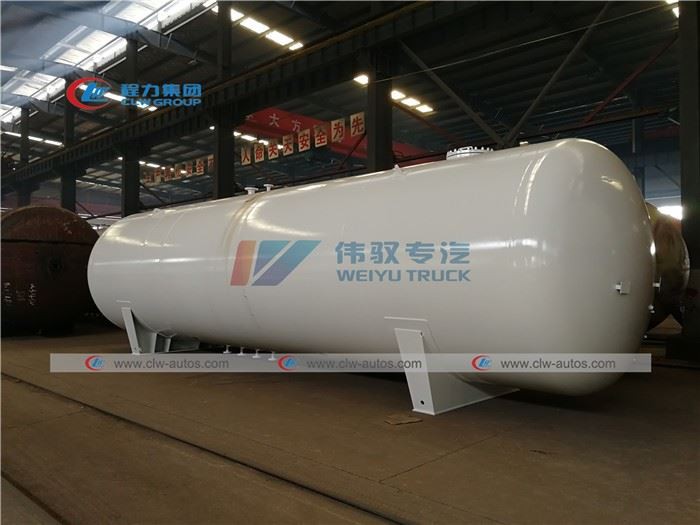
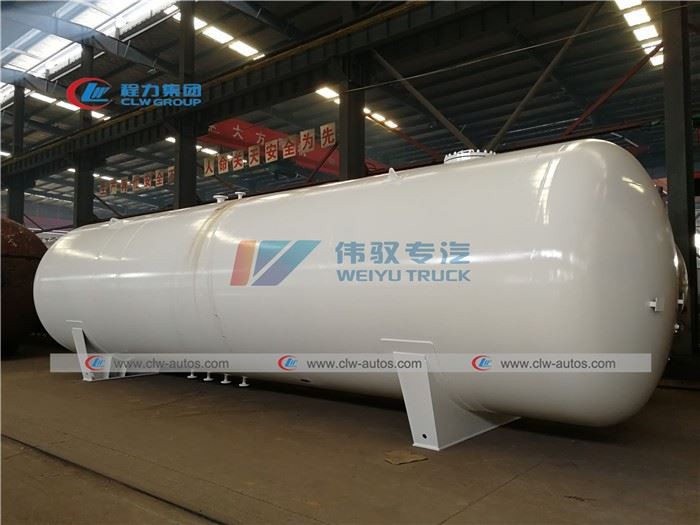
If you are in the market for LPG storage tanks, we recommend considering our 50,000L 50CBM Liquid Ammonia Storage Tank, 80cbm LPG Gas Tank 40tons Propane Gas Storage Tank, and Asme Standard LPG Storage Tank. These tanks are designed and manufactured to the highest standards of quality and safety, and they come with all the necessary signage and documentation to ensure compliance with local regulations.
Conclusion
In conclusion, proper signage is essential for the safe operation of an LPG storage tank area. By following the regulatory requirements and industry best practices, you can ensure that your storage area is clearly marked, hazards are properly identified, and people are able to navigate the area safely. As a supplier of LPG storage tanks, we are committed to helping our customers meet these requirements and providing them with the highest quality products and services.
If you have any questions about the signage requirements for your LPG storage tank area or if you are interested in purchasing LPG storage tanks, please do not hesitate to contact us. We look forward to working with you to ensure the safety and success of your LPG storage operations.
References
- National Fire Protection Association (NFPA) codes
- Local regulations and ordinances
- Industry standards and best practices