


Hey there! As a fuel tank trailer supplier, I often get asked about the braking systems of these trailers. It's a crucial aspect that ensures safety on the road, and today, I'm gonna break it down for you.
First off, let's understand why the braking system of a fuel tank trailer is so important. Fuel tank trailers carry highly flammable substances, and any accident due to ineffective braking can lead to catastrophic consequences. So, having a reliable braking system is non - negotiable.
There are mainly two types of braking systems commonly used in fuel tank trailers: air brakes and hydraulic brakes.
Air Brakes
Air brakes are the most prevalent choice for heavy - duty fuel tank trailers. They work on the principle of compressed air. The system consists of an air compressor, air storage tanks, brake chambers, and various valves.
The air compressor, usually driven by the truck's engine, pumps air into the storage tanks. These tanks store the compressed air, which is then used to apply the brakes. When the driver steps on the brake pedal, a valve opens, allowing the compressed air from the storage tanks to flow into the brake chambers. Inside the brake chambers, the air pressure pushes a diaphragm, which in turn moves the brake shoes or pads against the brake drums or rotors, creating friction and slowing down the trailer.
One of the biggest advantages of air brakes is their reliability. They can generate a large amount of braking force, which is essential for stopping a heavy fuel tank trailer. Also, air brakes are self - adjusting, which means they maintain their effectiveness over time with minimal maintenance. However, they do require a bit of a learning curve for the driver, as the response time of air brakes is slightly longer compared to hydraulic brakes.
Hydraulic Brakes
Hydraulic brakes, on the other hand, use brake fluid to transfer force from the brake pedal to the brake components. When the driver presses the brake pedal, it pushes a piston in the master cylinder, which forces brake fluid through the brake lines to the wheel cylinders or calipers. The pressure from the brake fluid then causes the brake shoes or pads to contact the brake drums or rotors, resulting in braking action.
Hydraulic brakes are commonly used in smaller fuel tank trailers or those with lighter loads. They offer a quicker response time compared to air brakes, which can be an advantage in certain situations. Also, they are generally easier to understand and maintain for the average driver. However, hydraulic brakes have a limited capacity to generate high braking forces, which makes them less suitable for very heavy trailers.
Anti - Lock Braking System (ABS)
Many modern fuel tank trailers are equipped with an Anti - Lock Braking System (ABS). ABS is a safety feature that prevents the wheels from locking up during braking. When the wheels lock up, the trailer can skid, which is extremely dangerous, especially when carrying fuel.
ABS works by constantly monitoring the speed of each wheel. If it detects that a wheel is about to lock up, it automatically reduces the braking pressure on that wheel, allowing it to continue rotating. This helps the driver maintain steering control and reduces the stopping distance. ABS is available for both air and hydraulic braking systems and has become a standard safety feature in most fuel tank trailers.
Parking Brakes
In addition to the service brakes (the main braking system used while driving), fuel tank trailers also have parking brakes. The parking brake is designed to keep the trailer stationary when it is parked.
For air brake systems, the parking brake usually uses a spring - loaded mechanism. When the driver engages the parking brake, the compressed air in the brake chambers is released, and a large spring applies pressure to the brake shoes or pads, holding the wheels in place. In hydraulic brake systems, the parking brake may be a separate mechanical system that directly applies force to the brake components.
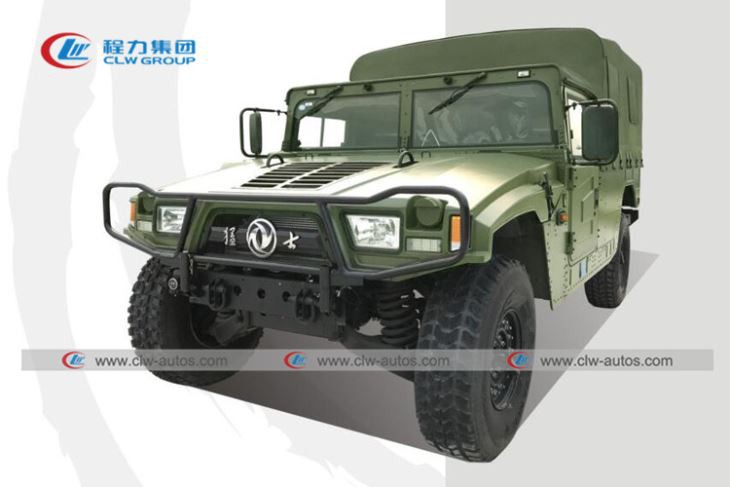
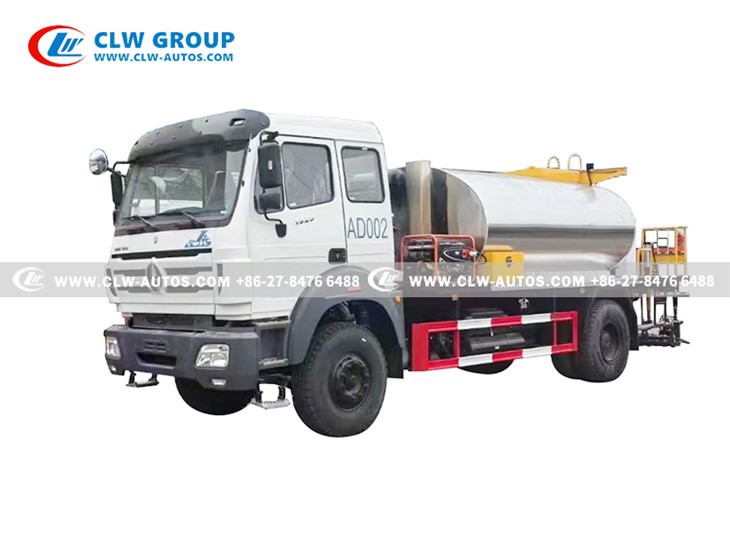
Now, let me tell you about some of the products we offer at our company. We have a wide range of fuel tank trailers with different braking systems to suit your needs. And if you're also interested in other types of trucks, we've got you covered. Check out our 4x4 Dongfeng 1.5T Light Military Truck, which is a rugged and reliable vehicle. Also, our Beiben 8m3 Bitumen Sprayer Truck is great for construction projects. And if you need a truck for transporting LPG, our Dongfeng Tianjin 8tons LPG Tank Truck is a top - notch option.
If you're in the market for a fuel tank trailer or any of the other trucks I mentioned, don't hesitate to reach out. We can discuss your specific requirements, the best braking system for your needs, and work out a deal that suits you. Whether you're a small business owner or part of a large fleet, we're here to provide you with high - quality products and excellent service.
References
- "Heavy Vehicle Braking Systems" by John Smith
- "Automotive Brake Technology" by Jane Doe
- Industry standards and guidelines for fuel tank trailers