How To Transport Gas Cylinders Safely? Truck Configuration Explained
1. Introduction: Why Is Safe Gas Cylinder Transport So Important?
Transporting gas cylinders-especially hazardous gases like LPG or industrial oxygen-requires specialized vehicles and strict safety measures. Missteps can lead to leaks, accidents, or regulatory penalties. If you handle gas cylinder logistics or purchase vehicles for such tasks, understanding proper truck configurations and international standards is essential.
2. What Is a Hazardous Gas Cylinder Truck?
✅ Simple Definition:
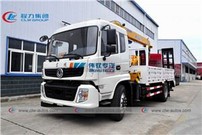
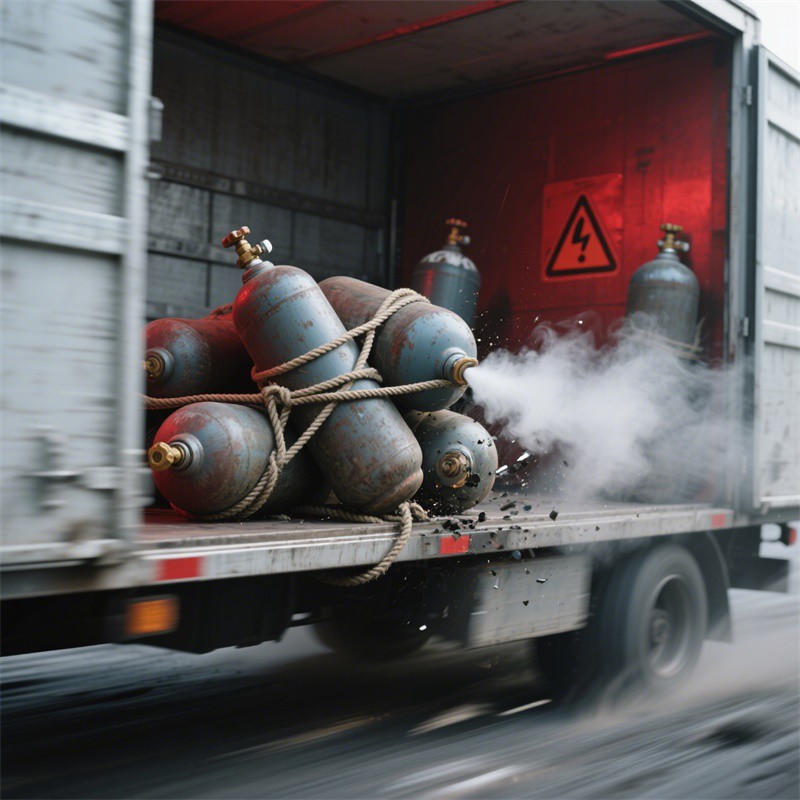
A hazardous gas cylinder truck is a specialized vehicle designed to safely carry compressed gas cylinders by securely fixing them on a flatbed or stake platform. Unlike standard cargo trucks, these vehicles include features that prevent cylinder movement, enable ventilation, and comply with dangerous goods transport regulations.
✅ Key Features:
Flatbed or sideboard (stake) platform with reinforced steel construction
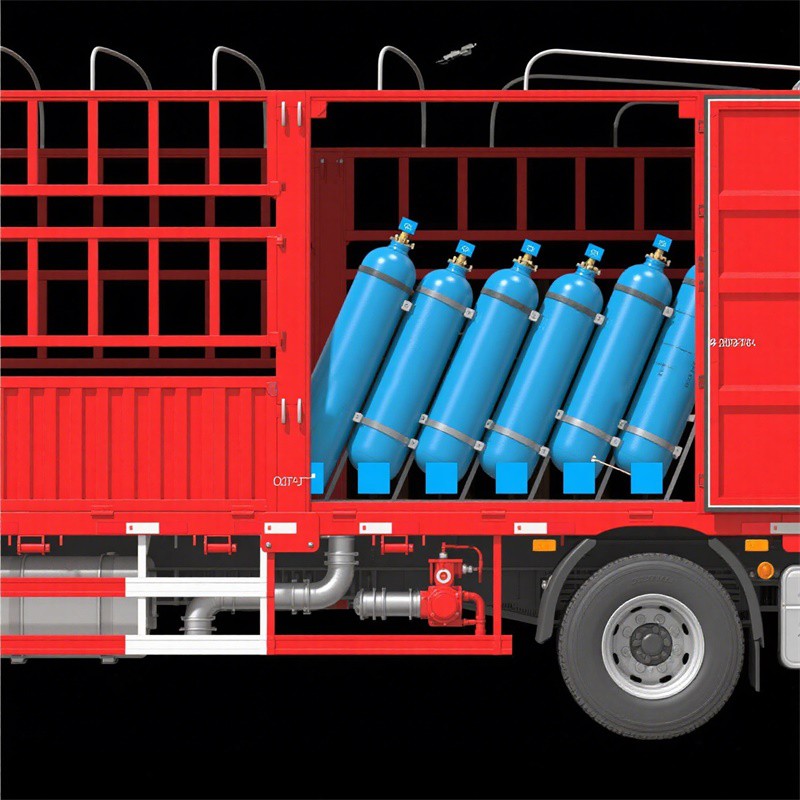
Cylinder racks, frames, or cages to hold cylinders upright and tightly secured
Adequate ventilation to disperse any leaked gas
Fire extinguishers and emergency safety equipment onboard
3. Common Misunderstandings About Gas Cylinder Trucks
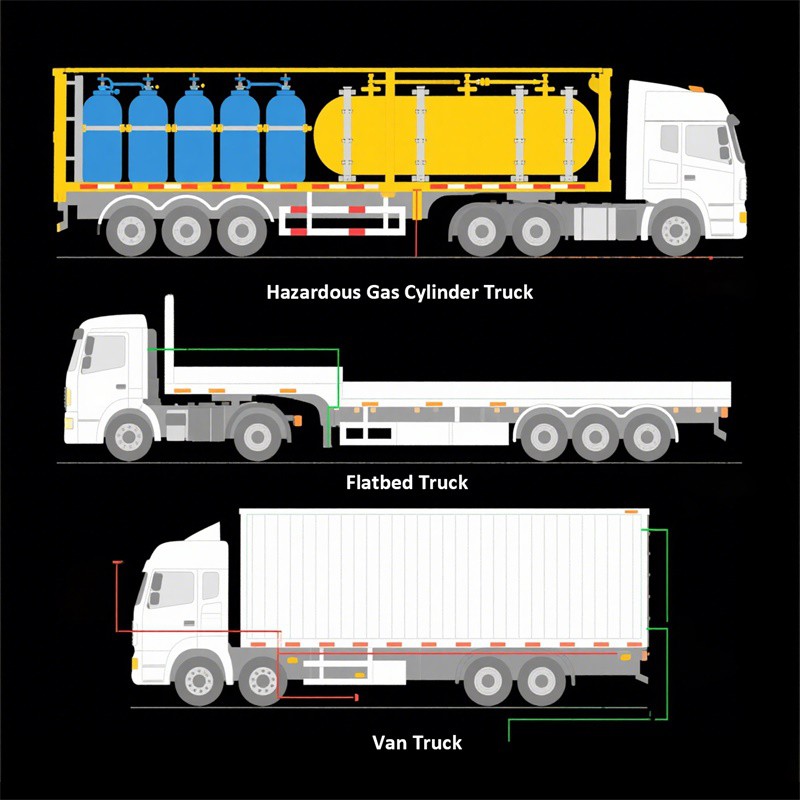
Many confuse hazardous gas cylinder trucks with regular flatbeds or box trucks. Here's a quick comparison:
| Term | Cargo Carrying? | Typical Use |
|---|---|---|
| Hazardous Gas Cylinder Truck | No cargo box, only cylinders secured | Transport LPG, oxygen cylinders |
| Flatbed Truck | Open platform, no special cylinder racks | General cargo |
| Box Truck | Enclosed cargo box | Dry goods, parcels |
4. Key Structural Components Explained
4.1 Platform Type
Flatbed or stake platforms offer easy loading and unloading
Reinforced sideboards prevent lateral cylinder movement
4.2 Cylinder Securing Systems
Special racks, frames, or cradles hold cylinders upright
Chains, straps, or clamps prevent rolling or shifting during transport
4.3 Ventilation and Separation
Open sides or ventilated compartments avoid gas accumulation
Separation barriers isolate driver cabin from cargo
4.4 Safety Equipment
Fire extinguishers and emergency shut-off valves
Spill containment kits and hazard placards
5. International Transport Standards to Follow
5.1 ADR (European Agreement)
Vehicle design and maintenance requirements
Hazard markings and UN number display
Driver certification and safety documentation
5.2 IMDG Code and Other Regulations
Sea and multimodal transport compliance
Local/national laws (DOT, CENELEC, etc.)
5.3 Loading Limits and Weight Distribution
Ensuring safe payload and balanced load to prevent accidents
6. Why Use Specialized Gas Cylinder Trucks?
| Advantages | Explanation |
|---|---|
| Safety | Minimizes risk of leaks, explosions, or accidents |
| Compliance | Meets international transport regulations |
| Efficiency | Easier loading/unloading and fleet management |
| Versatility | Suitable for LPG, oxygen, industrial gases |
7. Typical Use Cases
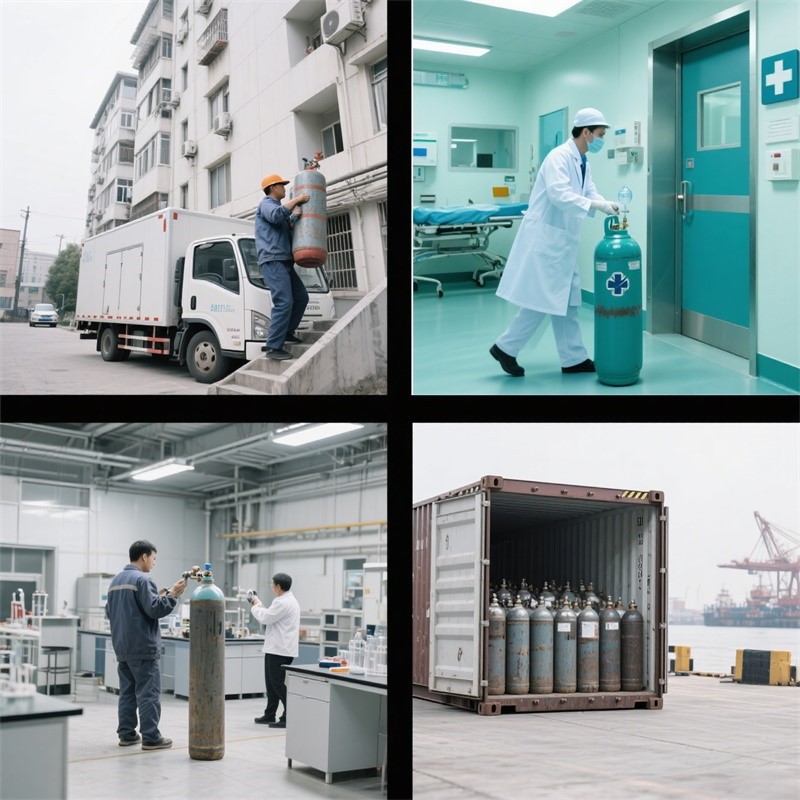
LPG cylinder distribution for residential or commercial users
Medical oxygen transport to hospitals and clinics
Industrial gas supply for manufacturing plants
Hazardous gas shipments in ports and logistics centers
8. Conclusion: Choosing the Right Truck for Your Needs
If your business involves transporting gas cylinders safely and compliantly, invest in a specialized hazardous gas cylinder truck featuring proper securing systems, ventilation, and safety equipment. Ensure vehicles meet ADR or local regulations, and drivers are trained in hazardous goods handling.
For custom vehicle configurations, expert consultation, or regulatory support, please contact us.