🔍 Best Truck Types For Fuel Delivery in Desert Regions
Expert Guide for Long-Distance, High-Temperature, and Sand Terrain Transport
Fuel transportation in desert regions-such as the Middle East and parts of Africa-requires more than just standard tank trucks. Intense heat, shifting sand, and vast delivery distances all place high demands on vehicle performance, durability, and configuration.
This guide outlines key recommendations for selecting and configuring fuel tank trucks designed specifically for desert areas.
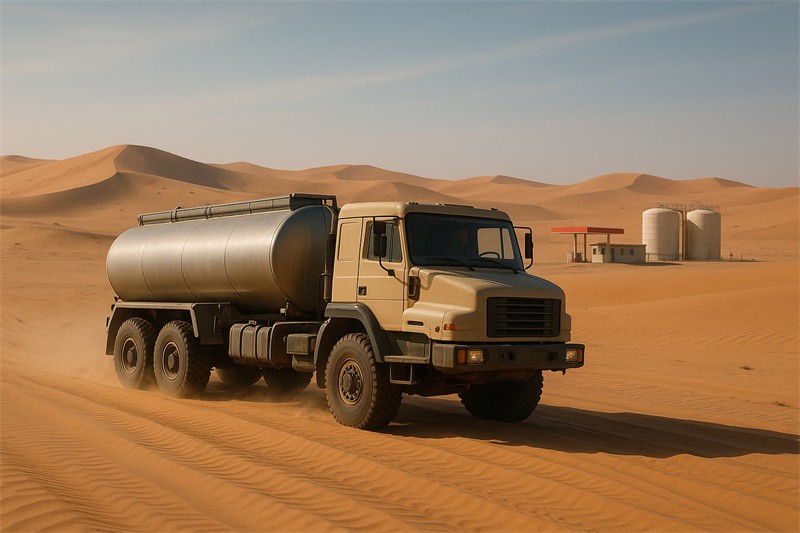
🚛 1. Choose a Chassis Built for Harsh Conditions
The chassis is the foundation of any fuel truck. For desert transport, it must handle high loads, rough terrain, and extreme temperatures.
Recommended features:
- Drive mode: 6×4 or 6×6 for better traction in sandy or loose terrain
- Suspension: Reinforced for off-road durability
- Cooling system: Tropicalized radiator, high-temperature-resistant hoses
- Chassis brands: SHACMAN, Dongfeng, HOWO, FOTON (Middle East–proven reliability)
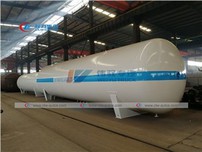
🛢 2. Fuel Tank Design: Single vs. Multi-Compartment
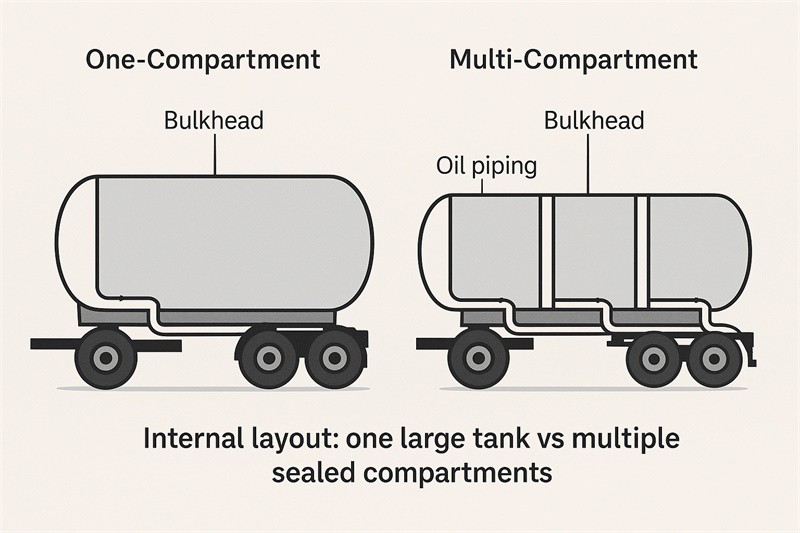
Fuel tanks must be configured for both capacity and delivery flexibility.
| Type | Use Case |
|---|---|
| Single-compartment | Bulk fuel delivery to one customer/location |
| Multi-compartment | Mixed fuel delivery (e.g. diesel + gasoline) to multiple stations |
Material options:
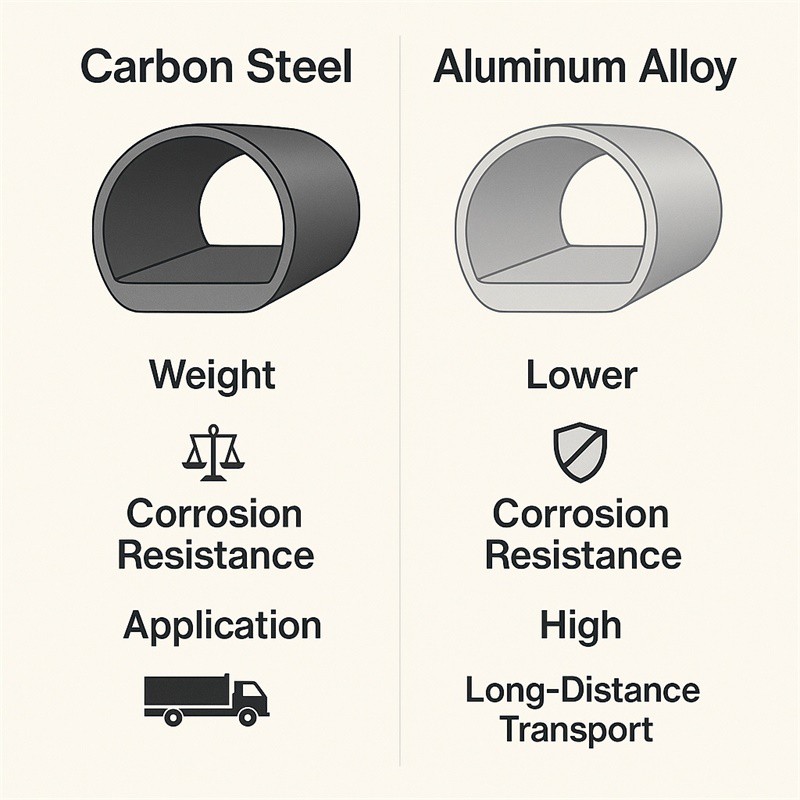
- Carbon steel: Strong, cost-effective, suited for short to mid-range routes
- Aluminum alloy: Lightweight, corrosion-resistant, ideal for long-haul use
✅ Add internal baffles to minimize liquid surge and improve vehicle stability on uneven roads.
🌡 3. Engine & Cooling System: Stay Operational in Extreme Heat
Desert heat can push engines to their limit. Key upgrades include:
- Tropicalized radiator and large cooling fans
- Dust-resistant air filters and elevated air intake
- Engine brands with desert-proven performance: Weichai, Yuchai, Cummins
Regular maintenance becomes critical in high-heat zones-choose engines with a strong service network.
🛣 4. Size & Payload: Match Range with Road Access
Typical tank volume:
- 20,000–35,000L for long-range highway transport
- 10,000–18,000L for rural, hilly, or narrow-access areas
Larger capacity saves on trips but may limit access to remote fueling stations. Balance range and mobility based on your delivery routes.
🧰 5. Optional Features for Desert Fuel Trucks
| Feature | Purpose |
|---|---|
| Sand-proof air filter | Prevents clogging and power loss in dusty air |
| Aluminum heat shielding | Protects tank and pipes from high surface temperatures |
| Bottom loading system | Safer, faster fuel loading in large depots |
| Rearview camera system | Improves visibility in harsh terrain |
| Fire extinguishing tools | Required for desert fuel transport compliance |
📌 Summary: Key Points for Desert-Ready Fuel Trucks
- Use heavy-duty chassis with 6×4 or 6×6 drive
- Choose multi-compartment tanks for route flexibility
- Upgrade to heat-resistant, sand-adapted components
- Optimize for range, reliability, and safety
Whether delivering to oilfields, desert towns, or border fueling stations-well-configured fuel trucks ensure fewer breakdowns, better safety, and long-term operational success.