


What are the noise - reduction measures for an LPG storage tank?
As a leading supplier of LPG storage tanks, I understand the importance of noise reduction in and around LPG storage facilities. Noise pollution not only has a negative impact on the environment and nearby communities but can also be an indicator of potential problems within the storage tank system. This blog aims to explore the various noise - reduction measures for an LPG storage tank.
Sources of Noise in LPG Storage Tanks
Before delving into the noise - reduction measures, it's essential to understand the primary sources of noise in an LPG storage tank. One of the most common sources is the movement of LPG within the tank, especially during filling and emptying operations. The flow of liquid and gas can create turbulence, which in turn generates noise. Another significant source is the pressure relief valves. When the pressure inside the tank exceeds a certain limit, these valves open to release excess pressure, often accompanied by a loud noise. Also, mechanical equipment such as pumps, compressors, and fans used in the LPG storage and distribution system can be major noise generators.
Noise - Reduction Measures
1. Proper Design and Installation
- Tank Shape and Layout: The design of the LPG storage tank itself can play a role in noise reduction. A well - engineered tank shape can minimize the turbulence of the LPG inside. For example, spherical or cylindrical tanks with smooth internal surfaces can reduce the noise caused by the movement of the fluid. Additionally, the layout of the storage tanks and associated equipment on the site should be carefully planned. Placing noise - generating equipment in a centralized area and separating it from quiet zones can help in containing the noise.
- Equipment Selection: When choosing pumps, compressors, and other mechanical equipment, opt for models that are designed to operate quietly. High - quality equipment often comes with advanced noise - reduction features such as vibration isolation mounts and sound - absorbing enclosures. For instance, some pumps are designed with low - noise impellers that reduce the noise generated during the pumping process.
2. Insulation
- Thermal and Acoustic Insulation: Applying insulation to the LPG storage tank can serve a dual purpose. Thermal insulation helps maintain the temperature of the LPG, while acoustic insulation can significantly reduce the noise transmitted from the tank to the surrounding environment. Materials such as fiberglass, mineral wool, and polyurethane foam are commonly used for insulation. These materials absorb sound waves and prevent them from traveling through the tank walls.
- Pipe Insulation: In addition to tank insulation, insulating the pipes connected to the LPG storage tank is also crucial. Pipes can act as conduits for noise, carrying the sound generated by the flow of LPG to different parts of the facility. By wrapping the pipes with acoustic insulation materials, the noise can be effectively reduced.
3. Vibration Isolation
- Mounting and Support Systems: Vibration is a major contributor to noise in LPG storage systems. To reduce vibration, proper mounting and support systems should be used for the tank and associated equipment. Rubber mounts, spring isolators, and anti - vibration pads can be installed between the equipment and its foundation. These isolators absorb the vibrations generated by the equipment and prevent them from being transferred to the surrounding structures, thereby reducing noise.
- Pipe Hangers: Similar to equipment mounting, pipe hangers should be designed to isolate vibrations. Flexible pipe hangers can be used to allow for some movement of the pipes while reducing the transmission of vibrations and noise.
4. Maintenance and Monitoring
- Regular Maintenance: Keeping the LPG storage tank and its associated equipment in good working condition is essential for noise reduction. Regular maintenance can prevent issues such as leaks, loose parts, and worn - out components that can increase noise levels. For example, checking and tightening the bolts and connections on pumps and valves can prevent rattling noises.
- Noise Monitoring: Installing noise monitoring systems around the LPG storage facility can help in detecting any abnormal noise levels. These systems can provide real - time data on noise levels, allowing for early detection of potential problems. If the noise levels exceed the acceptable limits, appropriate measures can be taken promptly.
Our Product Offerings and Noise - Reduction Features
As an LPG storage tank supplier, we offer a wide range of high - quality products with excellent noise - reduction features. Our 60,000Liters 30tons Liquid Petrolum Gas LPG Tanker is designed with a smooth internal surface and advanced insulation to minimize noise during transportation. The tank is also equipped with vibration - isolation mounts to reduce the noise generated by the vehicle's movement.
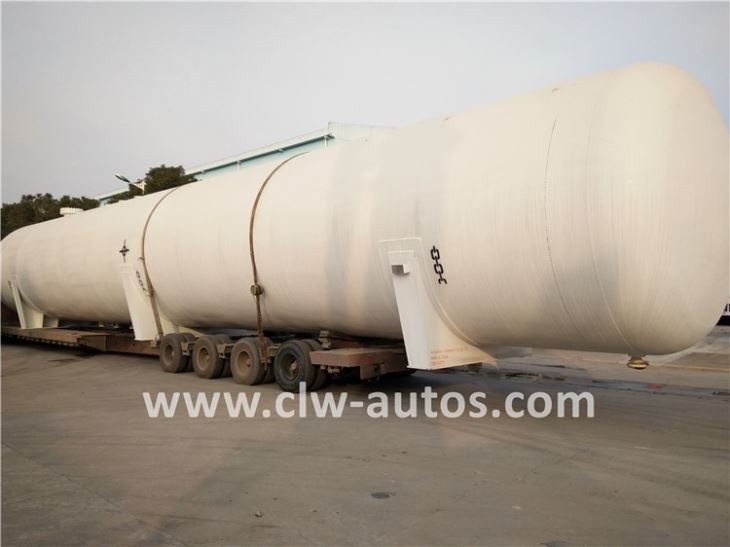
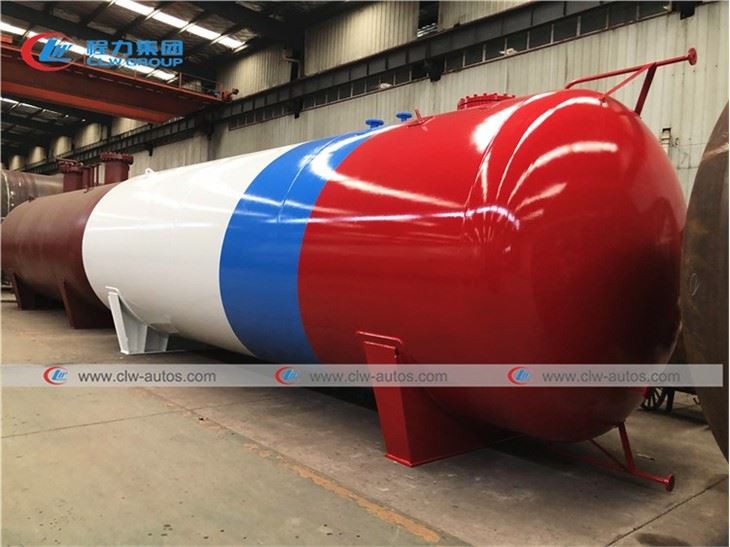
Our 25Tons 25MT 50000Liters Bullet LPG Gas Storage Tank features a well - engineered shape and high - quality insulation materials to reduce both the noise from the movement of LPG inside and the external noise transmitted to the tank. The pressure relief valves on this tank are designed to operate quietly, minimizing the noise associated with pressure release.
For customers who require a more standardized solution, our Asme Standard LPG Storage Tank meets the strictest industry standards. It is constructed with noise - reducing features such as well - insulated walls and vibration - isolated equipment mounts.
Conclusion and Call to Action
In conclusion, noise reduction in LPG storage tanks is a multi - faceted challenge that requires a combination of proper design, insulation, vibration isolation, maintenance, and monitoring. By implementing these measures, we can not only reduce noise pollution but also ensure the safe and efficient operation of the LPG storage system.
If you are in the market for high - quality LPG storage tanks with excellent noise - reduction features, we invite you to contact us. Our team of experts is ready to assist you in choosing the right product for your specific needs. We can provide detailed product information, technical specifications, and pricing. Don't hesitate to initiate a procurement discussion with us to find the best LPG storage solution for your project.
References
- "Handbook of LPG Storage and Handling" - A comprehensive guide on all aspects of LPG storage, including noise control.
- Industry standards and regulations related to LPG storage and noise pollution, such as those from relevant safety and environmental agencies.
- Technical papers and research studies on noise reduction in industrial storage systems, which provide insights into the latest technologies and best practices.