


As a leading supplier of LPG storage tanks, I understand the critical importance of ensuring the integrity and safety of these essential assets. LPG storage tanks are designed to hold large quantities of liquefied petroleum gas, and any damage caused by external forces can pose significant risks to personnel, property, and the environment. In this blog post, I will share some effective strategies and best practices on how to prevent LPG storage tanks from being damaged by external forces.
Understanding the Risks
Before discussing preventive measures, it's essential to understand the various external forces that can potentially damage LPG storage tanks. These include:
- Natural Disasters: Earthquakes, hurricanes, floods, and tsunamis can exert extreme forces on storage tanks, leading to structural damage, leaks, or even complete failure.
- Vehicle Collisions: Accidental collisions with trucks, cars, or other vehicles can cause significant damage to the tank's shell, resulting in leaks or ruptures.
- Construction Activities: Nearby construction projects involving heavy machinery, excavation, or blasting can generate vibrations and impact forces that may damage the tank.
- Weather Conditions: Extreme temperatures, high winds, and heavy snow or ice accumulation can also take a toll on the tank's structure over time.
Design and Installation Considerations
Proper design and installation are the first lines of defense against external force damage. Here are some key considerations:
- Location Selection: Choose a suitable location for the LPG storage tank away from high - traffic areas, construction sites, and potential sources of natural disasters. The site should have stable soil conditions and adequate drainage to prevent flooding.
- Structural Design: The tank should be designed to withstand the expected external forces in the area. This includes considering factors such as seismic activity, wind loads, and snow loads. Reinforced steel structures and proper anchoring systems can significantly enhance the tank's resistance to external forces.
- Installation Standards: Ensure that the tank is installed by experienced professionals following all relevant industry standards and regulations. This includes proper anchoring, leveling, and connection of all components.
Protective Barriers and Structures
Installing protective barriers and structures around the LPG storage tank can help prevent damage from vehicle collisions and other external impacts:
- Bollards: Bollards are sturdy posts that can be installed around the perimeter of the tank to prevent vehicles from getting too close. They act as a physical barrier, absorbing the impact force in case of a collision.
- Fencing: A high - quality fence can also be installed around the tank area to restrict unauthorized access and provide an additional layer of protection against accidental collisions.
- Earth Berms: Earth berms can be constructed around the tank to provide protection from natural disasters such as floods and tsunamis. They can also act as a buffer against vehicle collisions.
Regular Inspections and Maintenance
Regular inspections and maintenance are crucial for identifying and addressing potential issues before they lead to significant damage:
- Visual Inspections: Conduct regular visual inspections of the tank's exterior for signs of damage, including dents, cracks, or corrosion. Check the tank's supports, anchors, and connections for any signs of loosening or damage.
- Non - Destructive Testing: Periodically perform non - destructive testing techniques such as ultrasonic testing, radiography, or magnetic particle testing to detect any internal flaws or defects in the tank's structure.
- Maintenance Schedule: Develop and follow a comprehensive maintenance schedule that includes tasks such as pressure testing, valve maintenance, and corrosion protection.
Monitoring Systems
Installing monitoring systems can help detect any changes in the tank's condition or the presence of external forces in real - time:
- Vibration Sensors: Vibration sensors can be installed on the tank to detect any abnormal vibrations caused by external forces such as earthquakes or construction activities. These sensors can trigger an alarm if the vibration levels exceed a preset threshold.
- Strain Gauges: Strain gauges can be used to measure the stress and strain on the tank's structure. Any sudden changes in these measurements can indicate potential damage.
- Leak Detection Systems: Leak detection systems are essential for quickly identifying any leaks in the tank. These systems can use various technologies such as ultrasonic sensors or gas detectors to detect the presence of LPG in the surrounding area.
Emergency Preparedness
Despite all preventive measures, it's important to be prepared for emergencies in case of damage to the LPG storage tank:
- Emergency Response Plan: Develop a detailed emergency response plan that outlines the steps to be taken in case of a tank damage incident. This plan should include procedures for evacuating the area, shutting off the LPG supply, and notifying the relevant authorities.
- Training and Drills: Conduct regular training sessions and drills for all personnel involved in the operation and maintenance of the LPG storage tank. This will ensure that everyone is familiar with the emergency response procedures and can act quickly in case of an emergency.
- Spill Containment and Cleanup: Have appropriate spill containment and cleanup equipment on hand, such as absorbent materials and spill kits. This will help minimize the environmental impact in case of a leak.
Our Product Offerings
At our company, we offer a wide range of high - quality LPG storage tanks designed to meet the diverse needs of our customers. Our products include:
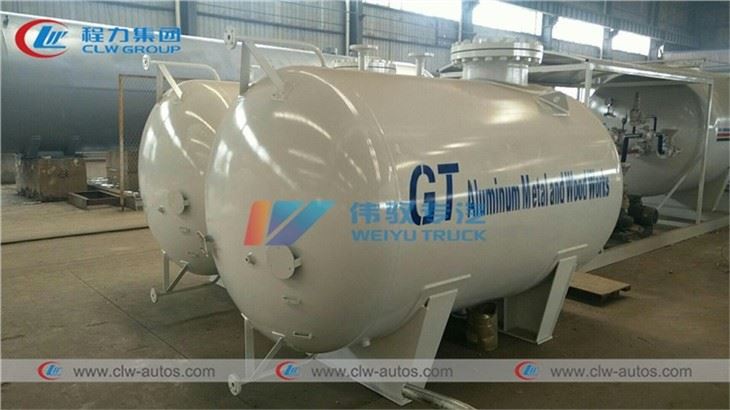
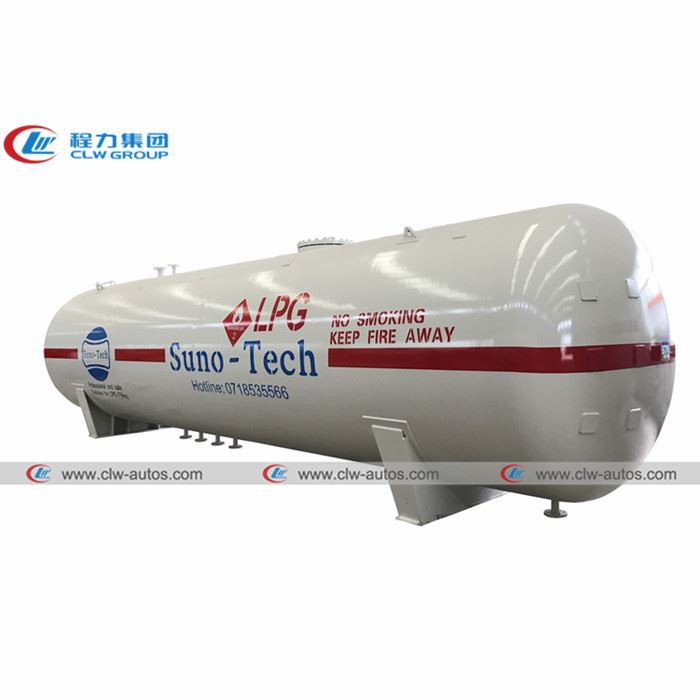
- 35Tons LPG Storage Tank 70,000L Liquid Petroleum Gas Filling Plant Tank: This large - capacity tank is ideal for use in filling plants and industrial applications.
- 5CBM 2.5MT LPG Storage Tanker: Our compact and portable storage tanker is perfect for smaller - scale operations and transportation of LPG.
- 40000Liters 20Tons Propane LPG Liquid Gas Storage Tank: This tank provides a reliable solution for storing propane and other LPG products.
If you are interested in our LPG storage tanks or need more information on how to prevent tank damage, please feel free to reach out to us for a procurement discussion. Our team of experts is ready to assist you in finding the best solution for your specific needs.
References
- "API Standard 620: Design and Construction of Large, Welded, Low - Pressure Storage Tanks". American Petroleum Institute.
- "NFPA 58: Liquefied Petroleum Gas Code". National Fire Protection Association.
- "ASME Boiler and Pressure Vessel Code, Section VIII". American Society of Mechanical Engineers.