


Hey there! As a supplier of LPG storage tanks, I've had my fair share of questions about the grounding requirements for these tanks. It's a crucial topic, and getting it right is super important for safety and compliance. So, let's dive into what exactly the grounding requirements for an LPG storage tank are.
First off, why do we even need to ground an LPG storage tank? Well, LPG, or liquefied petroleum gas, is highly flammable. When there's friction between the LPG and the tank walls during filling, discharging, or even just with the movement of the gas inside the tank, static electricity can build up. If this static charge isn't properly dissipated, it can create a spark. And you know what a spark near flammable gas can lead to - a potentially dangerous explosion or fire. That's where grounding comes in. It provides a safe path for the static electricity to flow into the ground, preventing any build - up that could cause problems.
Now, let's talk about the technical aspects of grounding an LPG storage tank. The grounding system needs to be designed to ensure a low - resistance path to the earth. This usually involves connecting the tank to a grounding electrode. A common type of grounding electrode is a ground rod. These are typically made of copper - clad steel or solid copper and are driven into the ground. The number of ground rods and how deep they need to be driven can vary depending on factors like soil resistivity.
Soil resistivity plays a huge role in grounding. Different types of soil have different abilities to conduct electricity. For example, moist soil with a high mineral content is a better conductor than dry, sandy soil. In areas with high soil resistivity, you might need more ground rods or use other techniques like adding conductive materials to the soil around the rods to improve the grounding effectiveness.
The connection between the tank and the grounding electrode also needs to be reliable. It should be made using a suitable conductor, such as a copper cable. The cable should be of an appropriate size to handle the potential electrical current. A loose or corroded connection can increase the resistance in the grounding path, which defeats the purpose of grounding. So, regular inspections are necessary to make sure the connection is in good condition.
In addition to the main grounding connection, all metallic parts of the LPG storage tank system should be bonded together. This includes things like pipes, valves, and any other metal components that are in contact with the LPG. Bonding ensures that there are no potential differences between these parts, which could also lead to static discharge.
When it comes to installation, the grounding system should be installed at the same time as the LPG storage tank. It's not something that can be an afterthought. The installation needs to follow local electrical codes and standards. These codes are in place to protect people and property, so it's essential to comply with them.
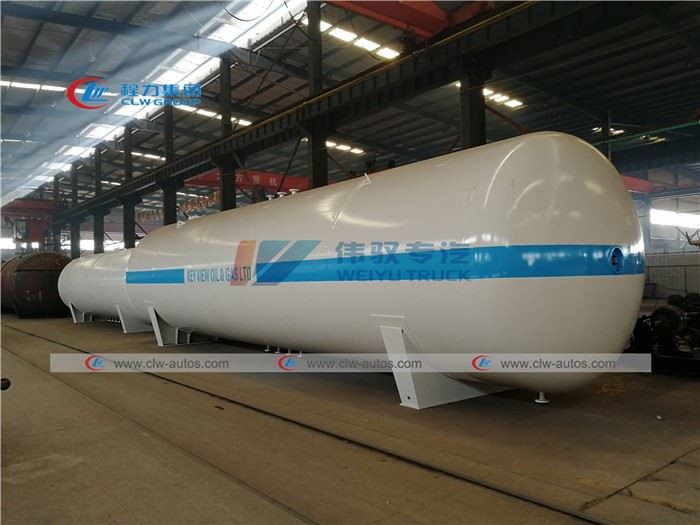
Now, I'd like to mention some of the LPG storage tanks we offer. We have a great 35Tons LPG Storage Tank 70,000L Liquid Petroleum Gas Filling Plant Tank that's suitable for medium - to large - scale filling plants. It's designed with safety in mind, and of course, proper grounding is a key part of its safe operation.
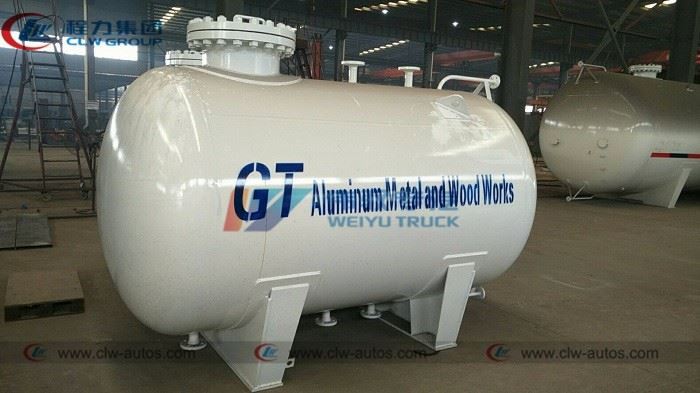
For smaller refilling plants, our 5000Liters LPG Refilling Plant Tank is a great option. Despite its smaller size, it still requires the same level of attention to grounding requirements to ensure safety.
If you're looking for a storage tanker, we also have the 50,000 Liters 25 Tons LPG Storage Tanker Liquid Propane Gas Station Tank. This tanker is built to transport LPG safely, and proper grounding during loading, unloading, and transit is crucial.
It's important to note that regular maintenance of the grounding system is a must. Over time, the grounding components can corrode, connections can loosen, and the soil conditions around the ground rods can change. So, periodic inspections should be carried out to check the integrity of the grounding system. This can involve measuring the resistance of the grounding path to make sure it's within the acceptable range.
In some cases, you might also need to have your grounding system tested by a professional electrical engineer. They have the equipment and expertise to accurately assess the grounding performance and identify any issues that need to be addressed.
Another aspect to consider is the interaction between the LPG storage tank and other nearby equipment. If there are other electrical systems or metal structures in the vicinity, they can affect the grounding of the LPG tank. For example, if there's a large electrical panel nearby, it could create electromagnetic interference that might impact the grounding system. So, proper spacing and isolation need to be maintained between the tank and other equipment.
When it comes to regulatory requirements, different regions may have their own specific rules regarding LPG storage tank grounding. It's essential to be aware of these regulations and ensure that your grounding system complies with them. Non - compliance can result in fines and, more importantly, put your facility at risk.
So, to sum it all up, grounding an LPG storage tank is a critical safety measure. It involves creating a low - resistance path to the earth using grounding electrodes, ensuring proper bonding of all metallic parts, and maintaining the integrity of the grounding system through regular inspections and maintenance. By following these requirements, you can significantly reduce the risk of static - related incidents and keep your LPG storage facility safe.
If you're in the market for an LPG storage tank and want to make sure you're getting a product that meets all the necessary grounding and safety requirements, we're here to help. Whether you need a small - scale refilling tank or a large - capacity storage tanker, we have the right solutions for you. Contact us to start a conversation about your specific needs and let's work together to find the perfect LPG storage tank for your business.
References
- National Fire Protection Association (NFPA) codes related to LPG storage and handling
- Local electrical and safety regulations for LPG facilities