


As a supplier of LPG tank systems, I've had the privilege of diving deep into every nook and cranny of these systems. So, I thought I'd break down the components of an LPG tank system for you.
The LPG Tank Itself
Let's start with the most obvious part – the tank. LPG tanks come in all shapes and sizes, from small portable ones for camping stoves to massive storage tanks for industrial use. The tanks are made from high - strength steel or sometimes aluminum to withstand the pressure of the liquefied petroleum gas.
There are different types of tanks, like horizontal and vertical ones. Horizontal tanks are often used for storage at gas stations or industrial facilities. They're great because they take up less vertical space and can be easily transported on trucks.
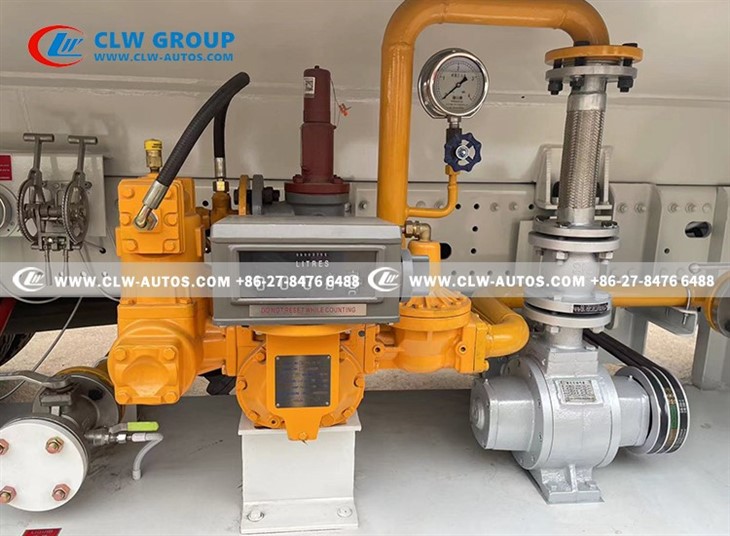
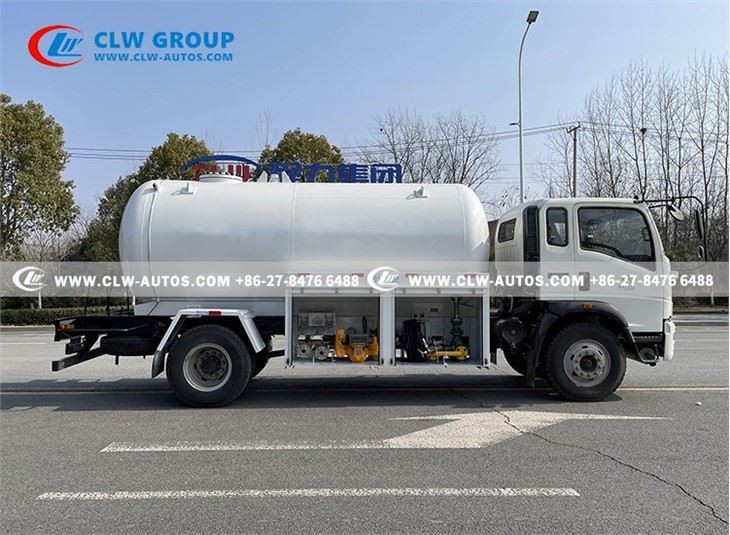
For example, we offer the 35Tons LPG Storage Tank 70,000L Liquid Petroleum Gas Filling Plant Tank. This large - scale tank is made of top - notch steel, which ensures long - term durability even under harsh conditions. It's designed for large - volume storage and is a perfect fit for filling plants.
Valves
Valves are like the traffic controllers of an LPG tank system. They regulate the flow of gas in and out of the tank.
- Main Shut - off Valve: This is the big boss. It's used to completely stop the flow of LPG from the tank. In case of an emergency, like a leak or maintenance, you can quickly shut off this valve to prevent any gas from escaping.
- Fill Valve: This valve is used when you're filling the tank with LPG. It's designed to allow the safe transfer of gas into the tank without any spills or leaks.
- Pressure Relief Valve: Safety first! The pressure relief valve is a crucial safety feature. LPG is stored under pressure, and if the pressure inside the tank gets too high (maybe due to over - filling or high temperatures), this valve will open up and release some of the gas to prevent the tank from exploding.
Piping and Fittings
Piping is what connects all the different parts of the LPG tank system. It's made of strong materials, like steel or copper, to handle the pressure of the gas. Fittings are used to connect the pipes together and to other components like valves.
Proper installation of piping and fittings is super important. If they're not installed correctly, you could end up with leaks, which are not only dangerous but also a waste of LPG. All our piping and fittings are quality - tested to ensure a tight and secure connection.
Gauges
Gauges are like the dashboard of your LPG tank system. They give you important information about the state of the tank.
- Level Gauge: This tells you how much LPG is left in the tank. It's really useful for knowing when it's time to refill. No one wants to run out of gas in the middle of cooking or heating their home!
- Pressure Gauge: This gauge shows the pressure inside the tank. Monitoring the pressure helps you detect any abnormal conditions, like a blockage in the system or a problem with the pressure relief valve.
LPG Trucks
Now, let's talk about how LPG gets transported. That's where LPG trucks come in. These are specialized vehicles designed to safely carry LPG from storage facilities to gas stations or other end - users.
We have some great options in our lineup. The SINOTRUK HOWO 20000 Liter LPG Bobtail Truck is a beast. It has a large capacity, which means it can transport a significant amount of LPG in one go. It's also equipped with all the necessary safety features, like reinforced tanks and emergency shut - off systems.
Another option is the 5 Metric Tons 12000 L LPG Bobtail Truck HOWO. This truck is a bit smaller but still very efficient. It's perfect for delivering LPG to smaller customers or in areas where larger trucks might have trouble maneuvering.
Safety Devices
Safety is a top priority when it comes to LPG tank systems. In addition to the pressure relief valve, there are other safety devices.
- Leak Detectors: These devices can sense even the slightest leakage of LPG. As soon as they detect a leak, they can trigger an alarm to alert you.
- Flame Arrestors: Flame arrestors are placed in the piping system. Their job is to prevent flames from traveling back into the tank in case of a fire. This helps to prevent explosions and keep everyone safe.
Monitoring and Control Systems
Modern LPG tank systems often come with advanced monitoring and control systems. These systems use sensors to collect data about the tank's temperature, pressure, and level. The data is then sent to a control center, where operators can keep an eye on everything in real - time.
If there's an issue, like a sudden drop in pressure or an abnormal temperature increase, the system can send alerts to the operators. This allows them to take immediate action and prevent any potential problems.
Conclusion
So, there you have it – the main components of an LPG tank system. From the tank itself to the valves, piping, gauges, trucks, safety devices, and monitoring systems, every part plays a crucial role in ensuring the safe and efficient storage and transportation of LPG.
If you're in the market for an LPG tank system, whether it's a storage tank, a truck, or any other component, we've got you covered. We offer high - quality products that meet all the safety standards. Don't hesitate to reach out if you have any questions or want to discuss your specific needs. We're always happy to help you find the perfect LPG tank system for your requirements.
References
- National Fire Protection Association. (NFPA) standards on LPG storage and handling.
- American Petroleum Institute (API) guidelines for LPG tank design and construction.