


When it comes to power generation, Liquefied Petroleum Gas (LPG) has emerged as a reliable and efficient fuel source. As a leading LPG tank supplier, I often get asked about the power output of an LPG tank when used in a generator. In this blog post, I'll delve into the details of how to calculate the power output, factors that influence it, and why LPG is a great choice for power generation.
Understanding LPG and Its Energy Content
LPG is a mixture of propane and butane gases, which are compressed into a liquid state for easy storage and transportation. The energy content of LPG is typically measured in British Thermal Units (BTUs) per gallon or joules per liter. Propane, one of the main components of LPG, has an energy content of approximately 91,500 BTUs per gallon, while butane has around 102,500 BTUs per gallon.
The energy content of LPG makes it a powerful fuel source for generators. When burned in a generator, the chemical energy in LPG is converted into mechanical energy, which then drives an alternator to produce electricity.
Calculating the Power Output of an LPG Tank
To calculate the power output of an LPG tank when used in a generator, we need to consider several factors, including the size of the tank, the efficiency of the generator, and the rate at which the LPG is consumed.
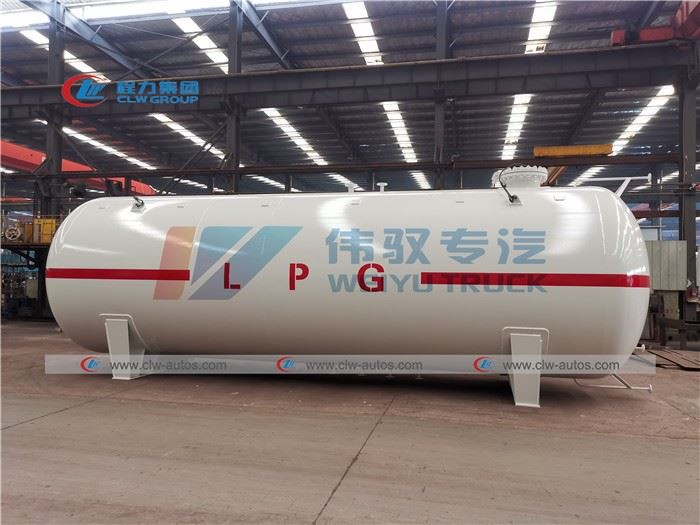
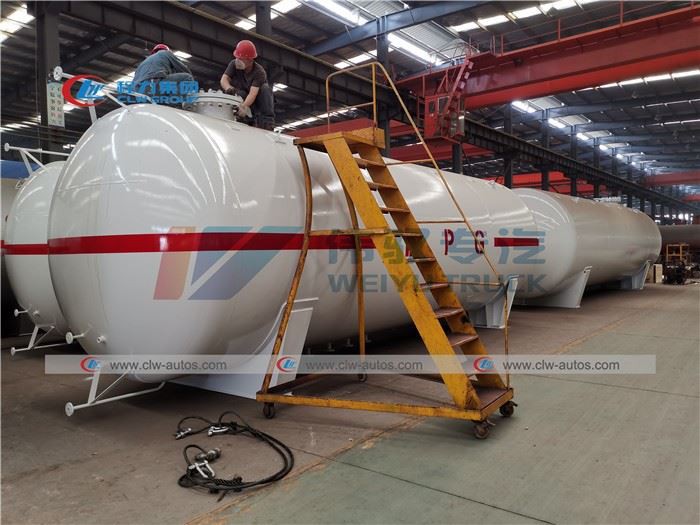
Let's start by looking at the size of the LPG tank. LPG tanks come in various sizes, from small portable tanks to large industrial tanks. For example, we offer 25MT 49600L Propane Gas Tanker Trailer With Rochester Level Gauge, 60,000Liters 30tons Liquid Petrolum Gas LPG Tanker, and 50cbm 25tons 25mt LPG Storage Tank.
The power output of a generator is measured in kilowatts (kW). To calculate the theoretical power output of an LPG tank, we can use the following formula:
Power Output (kW) = (Energy Content of LPG x Volume of LPG in the Tank x Generator Efficiency) / (Time in Hours x 3412.14)
The 3412.14 in the formula is a conversion factor that converts BTUs to kilowatt-hours.
For example, let's assume we have a 500-gallon LPG tank and a generator with an efficiency of 30%. Using the energy content of propane (91,500 BTUs per gallon), we can calculate the power output as follows:
Power Output (kW) = (91,500 BTUs/gallon x 500 gallons x 0.30) / (1 hour x 3412.14)
Power Output (kW) = 13,725,000 BTUs / 3412.14
Power Output (kW) ≈ 4022.4 kW
This is a theoretical calculation, and the actual power output may vary depending on several factors, which we'll discuss next.
Factors Affecting the Power Output
- Generator Efficiency: The efficiency of the generator plays a crucial role in determining the power output. A more efficient generator will convert a higher percentage of the energy in the LPG into electricity. Modern generators typically have efficiencies ranging from 25% to 40%.
- LPG Quality: The quality of the LPG can also affect the power output. Impurities in the LPG can reduce the combustion efficiency and, therefore, the power output. It's important to use high-quality LPG from a reliable supplier.
- Load on the Generator: The power output of the generator will vary depending on the load it is supplying. If the generator is operating at full load, it will consume more LPG and produce more power. However, if the load is low, the generator will consume less LPG and produce less power.
- Ambient Conditions: The ambient temperature, humidity, and altitude can also affect the performance of the generator and, consequently, the power output. For example, at higher altitudes, the air is thinner, which can reduce the combustion efficiency of the generator.
Advantages of Using LPG in Generators
- Clean Burning: LPG is a clean-burning fuel that produces fewer emissions compared to other fossil fuels, such as diesel and gasoline. This makes it a more environmentally friendly option for power generation.
- High Energy Density: LPG has a high energy density, which means it can store a large amount of energy in a relatively small volume. This makes it a convenient fuel source for generators, especially in applications where space is limited.
- Availability: LPG is widely available and can be easily transported and stored. This makes it a reliable fuel source for generators, even in remote areas.
- Cost-Effective: In many cases, LPG is a cost-effective fuel option for power generation. The cost of LPG is often lower than that of diesel and gasoline, and it can provide significant savings over the long term.
Conclusion
The power output of an LPG tank when used in a generator depends on several factors, including the size of the tank, the efficiency of the generator, and the load on the generator. By understanding these factors and using high-quality LPG, you can ensure that your generator operates at its maximum efficiency and produces the desired power output.
As a leading LPG tank supplier, we offer a wide range of LPG tanks to meet your specific needs. Whether you're looking for a small portable tank or a large industrial tank, we have the right solution for you. If you're interested in purchasing an LPG tank for your generator or have any questions about the power output, please don't hesitate to contact us. We'll be happy to assist you and provide you with the information you need to make an informed decision.
References
- "Liquefied Petroleum Gas (LPG) Basics." U.S. Energy Information Administration.
- "Generator Efficiency and Performance." Power Systems Research.