


As a seasoned supplier of LPG tanker trucks, I've witnessed firsthand the critical role that braking systems play in ensuring the safety and efficiency of these specialized vehicles. LPG tanker trucks are designed to transport large quantities of liquefied petroleum gas, a highly flammable and potentially dangerous substance. Therefore, a reliable and effective braking system is not just a luxury but an absolute necessity.
Types of Braking Systems in LPG Tanker Trucks
Air Braking Systems
Air braking systems are the most common type used in LPG tanker trucks. They operate on the principle of compressed air to apply the brakes. The system consists of an air compressor, air storage tanks, brake chambers, and a series of valves and hoses.
The air compressor, driven by the truck's engine, compresses air and stores it in the air storage tanks. When the driver presses the brake pedal, a valve opens, allowing compressed air to flow from the storage tanks to the brake chambers. Inside the brake chambers, the air pressure pushes a diaphragm, which in turn activates the brake shoes or pads, creating friction against the brake drums or rotors to slow down or stop the vehicle.
One of the main advantages of air braking systems is their reliability. They are less prone to overheating compared to hydraulic braking systems, which is crucial for LPG tanker trucks that often carry heavy loads and may need to make frequent stops. Additionally, air brakes are self - adjusting, which helps maintain consistent braking performance over time.
However, air braking systems also have some limitations. They require a certain amount of air pressure to function properly, and if there is a leak in the system, it can lead to a loss of braking power. Regular maintenance and inspections are essential to ensure the integrity of the air lines, valves, and other components.
Hydraulic Braking Systems
Hydraulic braking systems use brake fluid to transmit force from the brake pedal to the brake components. When the driver presses the brake pedal, a piston in the master cylinder compresses the brake fluid, which then travels through a series of brake lines to the wheel cylinders or calipers. In the wheel cylinders or calipers, the fluid pressure activates the brake shoes or pads, causing them to contact the brake drums or rotors and slow down the vehicle.
Hydraulic braking systems are known for their smooth and precise operation. They provide excellent stopping power and are relatively simple in design, which can make them easier and less expensive to repair. However, they are more susceptible to overheating, especially when used in heavy - duty applications like LPG tanker trucks. Overheating can cause the brake fluid to boil, resulting in a loss of braking performance, known as brake fade.
Some LPG tanker trucks may use a combination of hydraulic and air braking systems. For example, the parking brake may be a hydraulic system, while the service brake is an air system. This combination can provide additional safety and reliability.
Anti - Lock Braking Systems (ABS)
Anti - lock braking systems are an important safety feature in modern LPG tanker trucks. ABS prevents the wheels from locking up during braking, which helps the driver maintain steering control and reduces the risk of skidding.
ABS works by monitoring the speed of each wheel using sensors. If the system detects that a wheel is about to lock up, it automatically adjusts the brake pressure to that wheel, allowing it to continue rotating. This pulsating action of the brakes helps the vehicle to stop more quickly and safely, especially on slippery or uneven surfaces.
Most LPG tanker trucks are now equipped with ABS as standard equipment. It has become an essential part of the overall braking system, enhancing the safety of both the vehicle and its cargo.
Importance of Braking System Maintenance
Proper maintenance of the braking system is of utmost importance for LPG tanker trucks. Regular inspections should be carried out to check for signs of wear, leaks, and damage. This includes examining the brake pads, shoes, drums, rotors, air lines, hoses, and valves.
The brake fluid in hydraulic systems should be changed at regular intervals to prevent contamination and ensure proper operation. In air braking systems, the air compressor should be maintained, and the air storage tanks should be drained regularly to remove moisture and debris.
In addition to regular maintenance, it is also important to train drivers on the proper use and care of the braking system. Drivers should be aware of the warning signs of a potential braking problem, such as a spongy brake pedal, unusual noises, or a decrease in braking performance.
Our Offerings and Related Products
As an LPG tanker truck supplier, we understand the importance of providing high - quality braking systems in our vehicles. Our trucks are equipped with state - of - the - art braking technologies to ensure the safety and reliability of our customers' operations.
In addition to LPG tanker trucks, we also offer a wide range of other commercial vehicles. For example, we have the 4x2 Compactor Garbage Truck, which is designed for efficient waste collection. It also features reliable braking systems to ensure safe operation on the road.
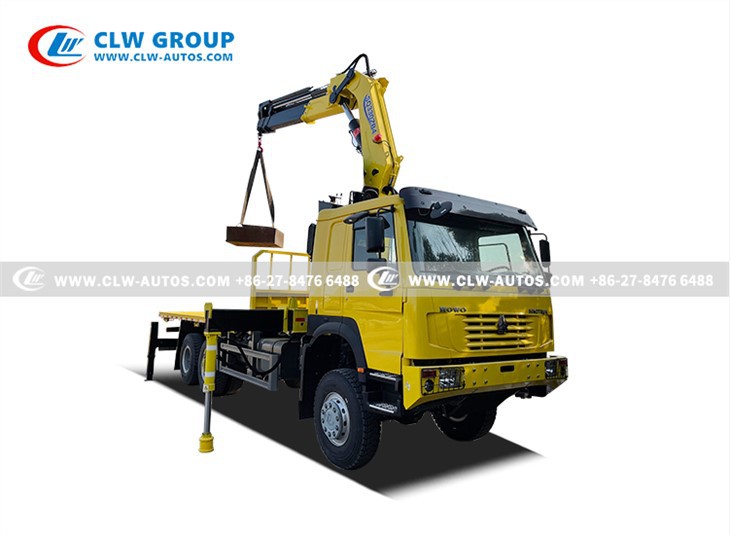
Another product in our portfolio is the HOWO 6x6 Flatbed Truck With 16 Tons Knuckle Boom Crane. This heavy - duty truck is suitable for various off - road and construction applications, and its braking system is engineered to handle the demands of these challenging environments.
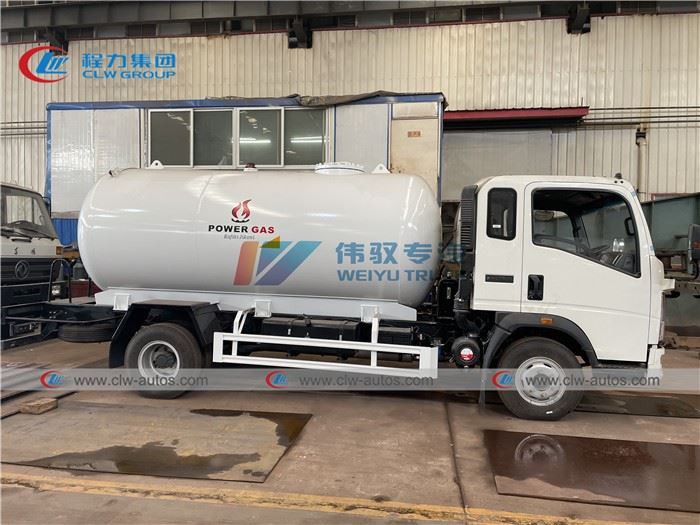
Of course, our flagship product, the 5tons SINOTRUK HOWO LPG Bobtail Truck, is built with the highest standards of safety in mind, including a top - notch braking system.
Conclusion and Call to Action
The braking system of an LPG tanker truck is a complex and vital component that requires careful consideration and maintenance. Whether it's an air, hydraulic, or ABS system, each type has its own advantages and challenges. At our company, we are committed to providing the best - in - class braking solutions in our LPG tanker trucks and other commercial vehicles.
If you are in the market for an LPG tanker truck or any of our other products, we invite you to reach out to us for more information. Our team of experts is ready to assist you in finding the right vehicle that meets your specific needs and requirements. Contact us today to start the procurement and negotiation process.
References
- Automotive Brake Systems Handbook, published by McGraw - Hill
- Principles of Vehicle Dynamics, by Thomas D. Gillespie