


Hey there! I'm a supplier of LPG Skid Stations, and today I wanna talk about the transportation limitations for these stations. LPG Skid Stations are pretty important in the LPG distribution business, but getting them from point A to point B isn't always a walk in the park.
Size and Weight Constraints
One of the biggest headaches when it comes to transporting LPG Skid Stations is their size and weight. These things are massive! They're built to store and distribute LPG safely, which means they need to be sturdy and well - constructed. As a result, they can be extremely heavy and take up a lot of space.
Most transportation vehicles have weight limits. For example, a standard truck might have a maximum payload capacity of around 20 - 30 tons. But an LPG Skid Station can easily weigh more than that, especially if it's a large - scale one designed for industrial use. This means we often have to look for specialized heavy - haul trucks that can handle the weight. And let me tell you, these trucks aren't cheap to rent or operate.
In terms of size, the dimensions of an LPG Skid Station can also pose problems. They can be quite long, wide, and tall. Some roads have width and height restrictions, like bridges with low clearances or narrow mountain passes. We might have to plan alternative routes, which can add a lot of time and cost to the transportation process. For instance, if a skid station is too wide to pass through a certain tunnel, we'll have to go all the way around, adding extra miles to the journey.
Regulatory Hurdles
Transporting LPG is a highly regulated activity, and for good reason. LPG is a flammable gas, and any mishap during transportation can have serious consequences. There are a ton of regulations at both the national and international levels that we have to comply with.
First of all, the transportation vehicle needs to meet specific safety standards. It has to be equipped with proper safety features like fire - suppression systems, leak - detection devices, and pressure - relief valves. The drivers also need to be specially trained to handle LPG - related emergencies. They have to pass rigorous training courses and obtain special licenses.
Another regulatory aspect is the documentation. We need to have all the necessary permits and paperwork in order. This includes things like transport permits, safety certificates, and hazard declarations. If we miss any of these, the shipment can be held up at checkpoints, which can cause significant delays.
Weather and Environmental Factors
Weather can play a real spoilsport when it comes to transporting LPG Skid Stations. Extreme weather conditions like heavy rain, snow, or strong winds can make the roads dangerous and affect the stability of the transportation vehicle.
In winter, icy roads are a major concern. The truck carrying the skid station can easily lose traction, increasing the risk of accidents. We might have to wait for the roads to be cleared and treated with de - icing agents before we can continue the journey.
Similarly, during heavy rain or floods, low - lying areas can become impassable. The water can damage the skid station and the transportation vehicle. And strong winds can also pose a problem, especially if the skid station is tall and has a large surface area. The wind can push the vehicle off - course or even tip it over.
Limited Vehicle Options
Not all vehicles are suitable for transporting LPG Skid Stations. As I mentioned earlier, we need specialized heavy - haul trucks. But the number of these trucks available in the market is limited. There aren't as many of them as regular trucks, and they're often in high demand.
This means we have to book these trucks well in advance. And sometimes, even if we book early, we might still face availability issues. For example, during peak construction seasons, many companies are transporting heavy equipment, so the demand for heavy - haul trucks skyrockets.
We also have to consider the compatibility of the vehicle with the skid station. The truck needs to have a proper loading and unloading mechanism. Some skid stations are so large that they require cranes or other heavy - duty lifting equipment to be loaded onto the truck. And not all trucks are equipped with the right facilities to handle these operations.
Cost - Related Limitations
Transporting LPG Skid Stations is an expensive business. The cost of renting a specialized heavy - haul truck is high, as I've already mentioned. On top of that, there are other costs like fuel, insurance, and maintenance.
Fuel costs can be a major factor, especially for long - distance transportation. These heavy trucks consume a lot of fuel, and with the fluctuating fuel prices, it's hard to predict the exact cost. Insurance is also crucial because of the high - risk nature of transporting LPG. We need to have comprehensive insurance coverage to protect against any potential accidents or damages.
Maintenance costs are another consideration. The trucks need to be regularly maintained to ensure their safety and reliability. This includes things like engine tune - ups, tire replacements, and brake inspections. All these costs add up, making the transportation of LPG Skid Stations a costly affair.
Impact on the Supply Chain
All these transportation limitations can have a significant impact on the supply chain. Delays in transportation can lead to shortages of LPG at the end - user locations. For example, if a skid station is supposed to be delivered to a gas station and it gets held up due to regulatory issues or bad weather, the gas station might run out of LPG.
This can also affect our relationships with customers. If we can't deliver the skid stations on time, customers might lose trust in our services and look for other suppliers. And let's not forget about the financial losses. We might have to pay penalties for late deliveries, and there could be lost business opportunities due to the inability to meet customer demands.
Some Solutions
Despite these limitations, there are some ways we can try to mitigate the problems. One solution is to work closely with transportation companies. By building strong partnerships, we can get better access to specialized trucks and more favorable rental rates.
We can also invest in better planning. Using advanced mapping and route - planning software, we can find the most efficient and safe routes. This can help us avoid road restrictions and bad weather areas.
Another option is to explore alternative transportation methods. For example, in some cases, it might be more cost - effective and efficient to use rail transport for long - distance shipments. Railroads can handle heavier loads and are often less affected by road conditions.
Conclusion
In conclusion, transporting LPG Skid Stations is no easy feat. We face a whole bunch of limitations, from size and weight constraints to regulatory hurdles, weather issues, and high costs. But as a supplier, we're constantly looking for ways to overcome these challenges.
If you're in the market for an LPG Skid Station, don't let these transportation limitations scare you off. We have the expertise and experience to handle all the logistics and ensure that your skid station is delivered safely and on time. Whether you need a small - scale skid station for a local gas station or a large - scale one for an industrial facility, we've got you covered.
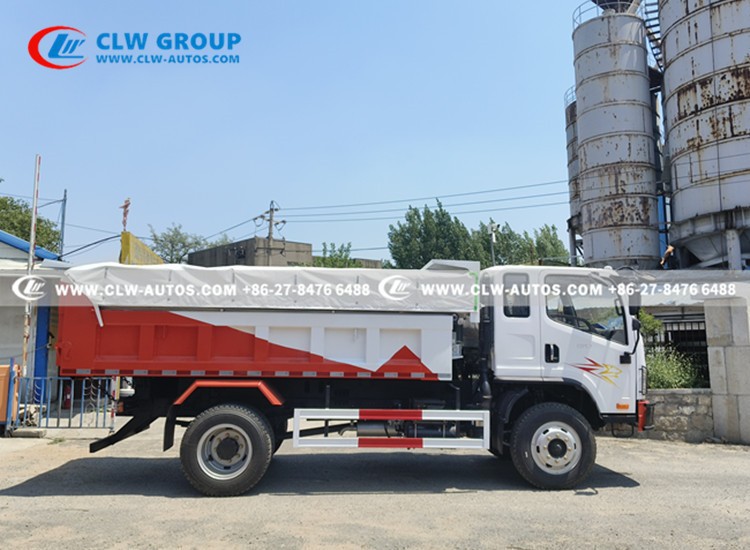
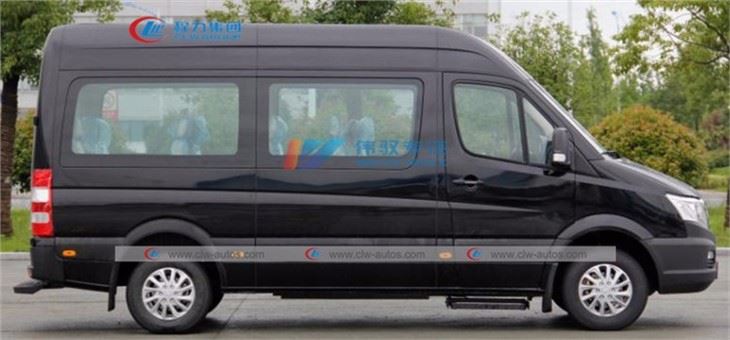
If you're interested in purchasing an LPG Skid Station or have any questions about our products and services, feel free to reach out. We're always happy to have a chat and discuss your specific needs. You can check out some related transportation vehicles on our website, like the Asiastar 14 Seats Mini Bus, FAW Tiger VH 5T Dump Truck, and SASO ADR 3 Axle 42M3 Aluminum Alloy Fuel Tank Trailer.
References
- Department of Transportation regulations on hazardous materials transportation
- Industry reports on heavy - haul trucking
- Studies on the impact of weather on transportation operations