


Hey there! As a supplier of LPG semi - trailers, I'm super excited to talk to you about the signal systems on these nifty pieces of equipment. LPG semi - trailers are a critical part of the liquefied petroleum gas (LPG) distribution chain. They carry large volumes of LPG from production plants to various consumer outlets. And the signal systems on them play a huge role in ensuring safety and proper operation.
The Basics of Signal Systems
First off, let's cover the basics. Signal systems on an LPG semi - trailer are designed to provide information about the trailer's status, both to the driver and to other road users. There are a few key types of signal systems we'll look into: the lighting signals, the pressure and level signals, and the emergency signal systems.
Lighting Signals
The lighting signals are probably the most visible part of the signal systems. They're similar to those on any other vehicle but are specially designed to meet the safety requirements for transporting LPG.
The front and rear position lights are always on when the trailer is on the road. They help other drivers see the trailer in low - light conditions, like at dusk or dawn. The brake lights are crucial. When the driver steps on the brakes, these bright red lights light up to let the vehicles behind know that the trailer is slowing down or stopping. They're wired directly to the braking system, so they work immediately when the brakes are applied.
The turn signals are another important part. When the driver wants to turn left or right, they activate these amber lights. This gives a clear indication to other drivers about the trailer's intended direction. It's a simple but effective way to prevent accidents on the road.
Then there are the hazard lights. These are used when the trailer has an issue or is parked in an unsafe location. When activated, all the turn signals flash simultaneously, warning other road users to proceed with caution.
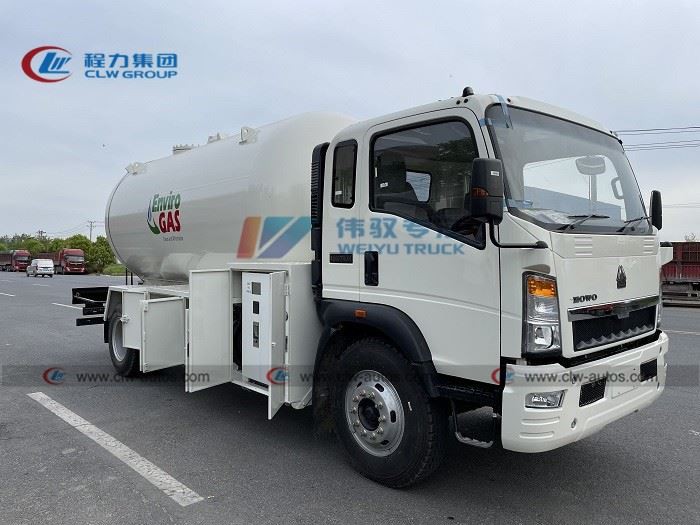
If you're interested in seeing some LPG transport vehicles in action, check out our Sinotruk HOWO 4*2 15m3 7.5ton LPG Tanker Truck. This model comes with top - notch lighting signal systems to keep you safe on the road.
Pressure and Level Signals
LPG is stored in pressurized tanks on the semi - trailers. So, it's essential to monitor the pressure and the level of LPG in the tanks constantly.
The pressure signal system uses sensors to measure the pressure inside the LPG tank. If the pressure goes above or below a safe range, an alarm is triggered. This can be a visual alarm, like a warning light on the control panel, or an audible alarm, such as a beeping sound. The driver can then take appropriate action, like adjusting the flow or checking for leaks.
The level signal system, on the other hand, tells the driver how much LPG is left in the tank. It uses float sensors or ultrasonic sensors to measure the level. Just like the pressure signals, if the level gets too low (near empty) or too high (risk of over - filling), alarms are activated. This helps in proper inventory management and prevents potential hazards related to over - filling or running out of LPG during transportation.
Emergency Signal Systems
In case of an emergency, such as a fire or a major leak, the emergency signal systems on the LPG semi - trailer come into play.
There are usually emergency stop buttons located at strategic points on the trailer. When pressed, these buttons shut down all non - essential systems and activate emergency signals. These signals can be in the form of a loud siren and a flashing red light. The siren alerts people in the vicinity that there's an emergency, and the red light makes it visible from a distance.
Some trailers also have automatic shut - off valves that are connected to the emergency signal system. If a sensor detects a fire or a large - scale leak, the valves close automatically, preventing the further spread of LPG.
Importance of Signal Systems
The signal systems on an LPG semi - trailer are not just nice - to - have features; they're a must. Safety is the number one concern when transporting LPG. A small leak or a pressure imbalance can lead to a big - time explosion or a fire. The signal systems act as an early warning system, allowing the driver to take quick action and avoid disasters.
For other road users, the lighting signals provide clear information about the trailer's movements. This reduces the risk of collisions, especially considering that LPG semi - trailers are large and heavy vehicles.
Proper pressure and level signals also ensure that the LPG is transported and stored within safe limits. It helps in efficient operation and maintenance of the semi - trailers.
Other Related Equipment and Their Signals
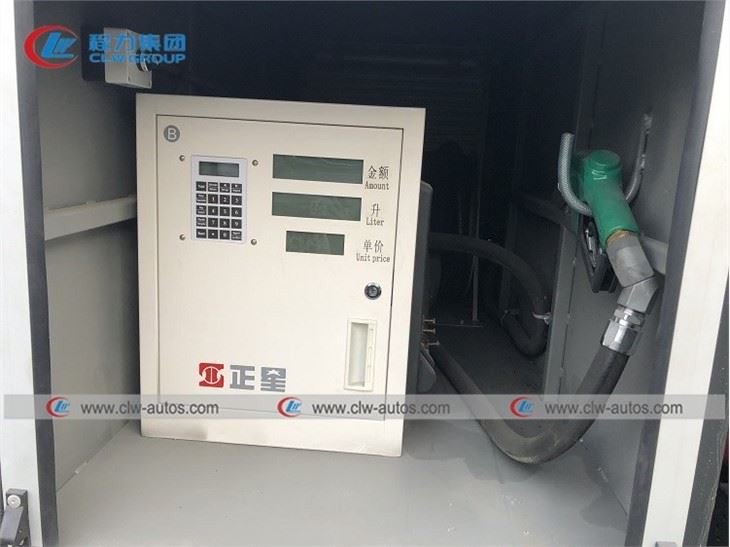
Our range of products isn't just limited to LPG semi - trailers. We also have other equipment like the Isuzu 5cbm 5,000Liters Stainless Steel Oil Tanker Fuel Dispenser Truck. This truck also has its own set of signal systems. Similar to the LPG semi - trailers, it has lighting signals for road safety and sensors to monitor the fuel level.
And then there's our 50cbm LPG Skid Refueling Station. This station has signal systems to monitor the LPG level in the skid, the pressure, and also for safety in case of leaks or fires.
Wrapping Up
In conclusion, the signal systems on an LPG semi - trailer are an integral part of its operation. They ensure safety, efficiency, and proper management of the LPG being transported. Whether it's the simple lighting signals that help on the road or the complex pressure and emergency signal systems that protect against hazards, each component plays a vital role.
If you're in the market for LPG semi - trailers or any of our related products, don't hesitate to reach out. We're here to answer all your questions and help you make the right choice for your business. Contact us to start a procurement discussion and find the perfect solution for your LPG transportation and storage needs.
References
Transportation of Dangerous Goods Regulations, Government Publications
Safety Standards for LPG Storage and Transportation, Industry Guidelines