


When it comes to selling a used LPG (Liquefied Petroleum Gas) tank, there are several crucial requirements that must be met to ensure safety, legal compliance, and marketability. As a supplier of LPG tanks, I understand the importance of adhering to these standards and guiding potential sellers through the process.
Safety and Inspection Requirements
Safety is the top priority when dealing with LPG tanks. Before selling a used LPG tank, it must undergo a rigorous inspection to ensure it is in proper working condition and meets all safety standards. This inspection typically includes:
- Visual Inspection: A thorough visual check of the tank's exterior for any signs of damage, corrosion, or leaks. Any dents, scratches, or rust spots should be carefully examined to determine if they pose a safety risk.
- Pressure Testing: The tank must be pressure tested to ensure it can safely hold the required amount of LPG. This test involves filling the tank with water and pressurizing it to a specific level to check for any leaks or weaknesses in the tank's structure.
- Valve and Fitting Inspection: All valves, fittings, and connections on the tank should be inspected for proper function and tightness. Any worn or damaged parts should be replaced before the tank is sold.
- Certification: The tank should have a valid certification indicating that it has passed all required inspections and meets the relevant safety standards. This certification provides buyers with confidence in the tank's safety and reliability.
Legal and Regulatory Requirements
In addition to safety requirements, there are also various legal and regulatory requirements that must be met when selling a used LPG tank. These requirements can vary depending on the jurisdiction, but typically include:
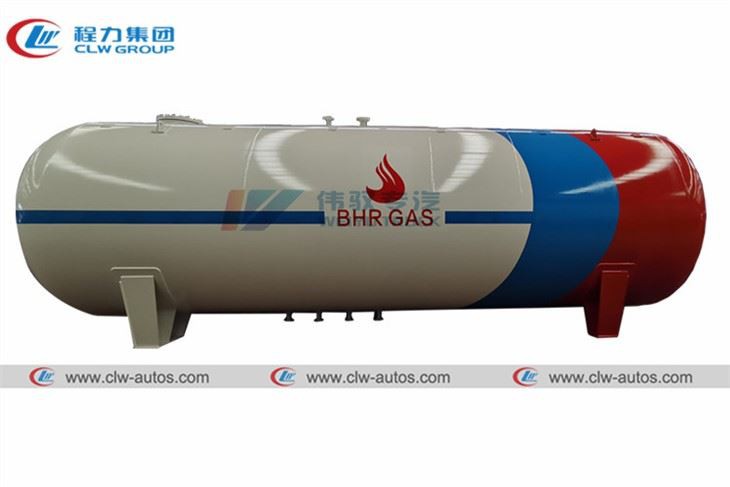
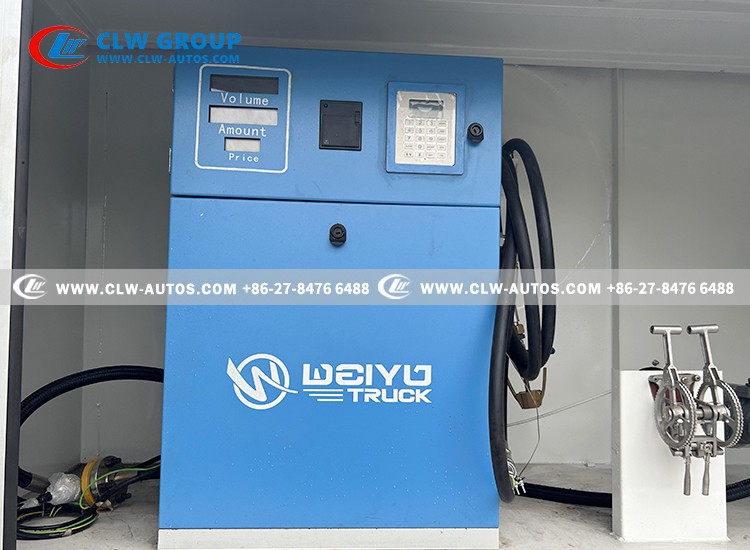
- Registration and Licensing: Sellers may be required to register their used LPG tanks with the relevant authorities and obtain the necessary licenses to sell them. This helps to ensure that the tanks are being sold legally and that proper records are maintained.
- Compliance with Standards: The tank must comply with all applicable national and international standards for LPG tanks. These standards cover aspects such as design, construction, materials, and testing, and are intended to ensure the safety and reliability of the tanks.
- Documentation: Sellers must provide buyers with all necessary documentation, including the tank's inspection reports, certification, and any other relevant information. This documentation helps to demonstrate the tank's history and compliance with safety and regulatory requirements.
Marketability and Condition Requirements
In addition to safety and legal requirements, there are also several factors that can affect the marketability of a used LPG tank. These factors include:
- Age and Condition: The age and condition of the tank are important considerations for buyers. Generally, newer tanks in good condition are more desirable and can command a higher price. Tanks that are older or in poor condition may be more difficult to sell and may require additional maintenance or repairs before they can be sold.
- Capacity and Size: The capacity and size of the tank can also affect its marketability. Tanks with larger capacities are typically more expensive and may be more suitable for commercial or industrial applications, while smaller tanks may be more suitable for residential or small-scale use.
- Brand and Reputation: The brand and reputation of the tank can also play a role in its marketability. Tanks from well-known and reputable manufacturers are generally more trusted by buyers and may command a higher price.
Marketing and Sales Strategies
Once the used LPG tank has met all the necessary requirements, it is time to market and sell it. Here are some effective marketing and sales strategies that can help you sell your used LPG tank:
- Online Listings: List your used LPG tank on online marketplaces and classified websites. Include detailed information about the tank's specifications, condition, and any relevant documentation. Use high-quality photos to showcase the tank and make it more appealing to potential buyers.
- Industry Networks: Reach out to your industry contacts, such as other LPG suppliers, distributors, and customers, to let them know that you have a used LPG tank for sale. They may be interested in purchasing the tank themselves or may be able to refer you to potential buyers.
- Trade Shows and Events: Attend trade shows and events related to the LPG industry. These events provide an excellent opportunity to showcase your used LPG tank and network with potential buyers.
- Direct Marketing: Consider direct marketing strategies, such as sending out flyers or emails to potential buyers in your target market. Highlight the features and benefits of the tank and provide clear contact information for interested buyers.
Conclusion
Selling a used LPG tank requires careful attention to safety, legal, and marketability requirements. By ensuring that the tank meets all the necessary standards and following effective marketing and sales strategies, you can increase your chances of selling the tank quickly and at a fair price.
If you are interested in purchasing a used LPG tank or have any questions about the selling process, please don't hesitate to contact us. We are a leading supplier of LPG tanks, including Ghana LPG Bobtail, 25tons Bulk LPG Bullet Tanks, and 60tons LPG Storage Tank For Nigeria. Our team of experts is ready to assist you with all your LPG tank needs.
References
- National Fire Protection Association (NFPA). NFPA 58: Liquefied Petroleum Gas Code.
- American Society of Mechanical Engineers (ASME). Boiler and Pressure Vessel Code.
- International Organization for Standardization (ISO). ISO 11114: Transportable gas cylinders.