


Training drivers to operate an LPG tanker trailer is a crucial and multi - faceted task, especially when you're in the business of supplying these specialized vehicles, like I am. Let me walk you through the various aspects of this vital training process.
Understanding the Basics
First off, a driver needs to understand the fundamental concept of LPG. LPG, or liquefied petroleum gas, is a flammable mixture of hydrocarbon gases. It's commonly used for heating, cooking, and as a fuel in vehicles. When it comes to transporting it, every little detail matters because of its volatile nature.
The LPG tanker trailer itself is no ordinary truck. It's designed to safely carry LPG in large quantities. These trailers are built with high - tech materials and safety features to prevent leaks and explosions. As a supplier, I always make sure to provide detailed specifications and safety manuals to all the drivers who will be operating our LPG tanker trailers.
Classroom Training
The training process usually starts in the classroom. Here, drivers learn about the properties of LPG. They study things like its boiling point, vapor pressure, and how it behaves under different temperatures and pressures. This knowledge is essential because it helps them understand the risks associated with transporting LPG and how to handle potential emergencies.
We also cover the legal requirements for transporting LPG. There are strict regulations at both the national and international levels. Drivers need to know about permits, safety equipment requirements, and the proper documentation they need to carry. For example, they must have a valid hazardous materials endorsement on their driver's license.
Another important part of the classroom training is learning about the tanker trailer itself. Drivers are taught about the different components of the trailer, such as the tank, valves, and piping. They learn how to perform pre - trip inspections to ensure that everything is in working order. This includes checking for leaks, making sure the valves are properly sealed, and inspecting the tires and brakes.
Hands - on Training
After the classroom sessions, it's time for hands - on training. This is where drivers really start to get the feel of operating an LPG tanker trailer. They begin by familiarizing themselves with the controls in the cab. The dashboard of an LPG tanker trailer has a lot of specialized gauges and switches that are used to monitor the tank's pressure, temperature, and the level of LPG inside.
Drivers are then taken through the process of loading and unloading LPG. This is a highly regulated procedure that requires precision and caution. They learn how to connect the hoses properly, how to control the flow of LPG, and how to monitor the process to prevent over - filling or spills. Any mistake during loading or unloading can have serious consequences, so this is a critical part of the training.
They also practice driving the tanker trailer. LPG tanker trailers are large and heavy vehicles, and they handle differently from regular trucks. Drivers need to learn how to make wide turns, how to brake safely, and how to deal with different road conditions. They practice driving on various terrains, including highways and rural roads, to get a well - rounded experience.
Emergency Response Training
No training would be complete without emergency response training. LPG is a potentially dangerous substance, and drivers need to be prepared for any situation. They learn how to recognize the signs of a leak, such as the smell of the odorant added to the LPG (which is usually a sulfur - based compound to make it detectable).
In case of a leak, drivers are trained to follow a specific set of procedures. This includes evacuating the area, notifying the relevant authorities, and using the on - board fire suppression equipment if necessary. They also practice dealing with other emergencies, such as fires and collisions.
Periodic Refresher Training
Training isn't a one - time thing. Drivers need to undergo periodic refresher training to keep their skills and knowledge up - to - date. New regulations may come into effect, and there may be improvements in technology or safety procedures. Refresher training helps ensure that drivers are always operating the LPG tanker trailers in the safest and most efficient way possible.
Our Role as a Supplier
As an LPG tanker trailer supplier, I play a significant role in this training process. We not only provide the vehicles but also offer support and resources for training. We work closely with training institutions to develop comprehensive training programs. We also provide technical support to drivers during their on - the - job training.
For example, if a driver has a question about a particular component of the trailer, they can reach out to our technical team for assistance. We also keep our customers informed about any product updates or safety improvements that may affect the operation of the LPG tanker trailers.
Other Related Vehicles
In our vehicle portfolio, we also offer other types of trucks with different functionalities. Our Isuzu 5cbm 5,000Liters Stainless Steel Oil Tanker Fuel Dispenser Truck is a great option for those in the fuel distribution business. It's designed with high - quality stainless steel to ensure the longevity and safety of the transported fuel.
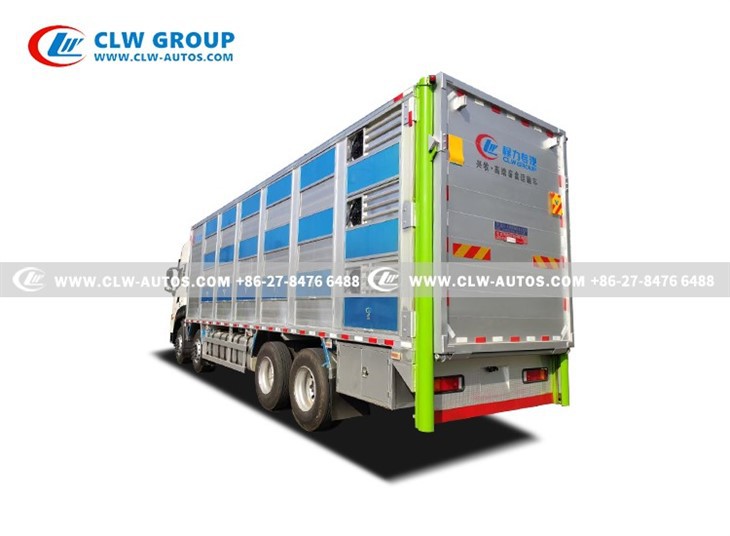
The DONGFENG 8X4 Hog Hauling Truck is another interesting product. It's suitable for the livestock transportation industry, with features that ensure the comfort and safety of the animals during transit.
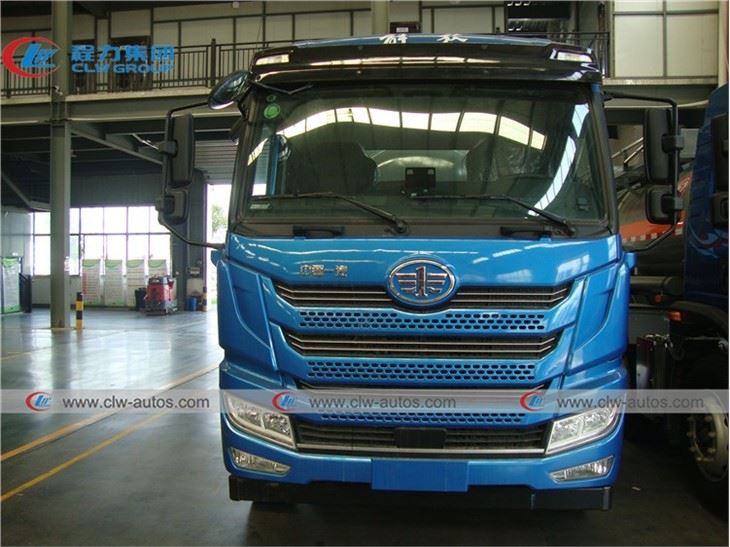
If you're in the chemical transport business, our 6X2 FAW 10 - 15CBM Chemical Sulfuric Acid Transport Truck is a reliable choice. It's built to handle the transportation of hazardous chemicals safely and efficiently.
Contact for Purchase
If you're interested in our LPG tanker trailers or any of the other trucks we offer, don't hesitate to contact us for more information. We can provide you with detailed product specifications, pricing, and assist you in the purchasing process. Training your drivers to operate these vehicles is just one part of our comprehensive service. We're committed to helping you make the right choice for your business and ensuring that you have all the support you need.
References
- Hazmat Transportation Safety Handbook.
- Regulations on the Transportation of Liquefied Petroleum Gas.
- Driver's Manual for Specialized Vehicles.