


Hey there! As a supplier of LED trucks, I've gotten a ton of questions about how the weight of these trucks can affect their performance. So, I thought I'd sit down and break it all down for you in this blog post.
First off, let's talk about what we mean by the weight of an LED truck. There are two main components to consider: the curb weight and the payload capacity. The curb weight is the weight of the truck itself, including all the standard equipment, fluids, and a full tank of gas. The payload capacity, on the other hand, is the maximum weight of the cargo and passengers that the truck can carry.
Now, let's dive into how these weights can impact the truck's performance.
Acceleration and Braking
One of the most obvious ways that weight affects an LED truck is its acceleration and braking capabilities. You see, the heavier the truck, the more power it takes to get moving and the more force it takes to stop.
When it comes to acceleration, a heavier truck will generally be slower off the line. This is because the engine has to work harder to overcome the inertia of the extra weight. For example, if you're comparing two LED trucks with similar engines, but one is significantly heavier than the other, the lighter truck will likely have a quicker 0 - 60 mph time.
Braking is also affected by weight. A heavier truck requires more distance to come to a complete stop. This is because the brakes have to dissipate more kinetic energy. In emergency situations, this can be a major safety concern. So, if you're planning to carry heavy loads on a regular basis, you'll want to make sure your LED truck has a robust braking system.
Fuel Efficiency
Fuel efficiency is another crucial aspect of truck performance that's heavily influenced by weight. Simply put, the more weight a truck has to carry, the more fuel it will consume.
When a truck is heavier, the engine has to work harder to maintain speed, especially when going uphill or accelerating. This increased workload means that the engine burns more fuel. For an LED truck, which is often used for long - haul or frequent - stop operations, poor fuel efficiency can quickly add up to significant costs over time.
So, if you're looking to save on fuel, it's a good idea to keep the weight of your LED truck as low as possible without sacrificing the necessary payload capacity. You can do this by using lightweight materials in the truck's construction and being mindful of what you load onto the truck.
Handling and Stability
The weight of an LED truck also plays a big role in its handling and stability. A well - balanced truck with an appropriate weight distribution will be easier to control on the road.
If the weight is too concentrated in one area, it can cause the truck to handle poorly. For example, if the payload is all loaded towards the rear of the truck, it can make the front end lighter, reducing traction and making it more difficult to steer. On the other hand, if the weight is too far forward, it can put excessive strain on the front tires and suspension.
Moreover, a heavier truck is generally more stable at high speeds. However, it can also be more difficult to maneuver, especially in tight spaces. So, you need to find the right balance between weight, stability, and maneuverability for your specific needs.
Suspension and Tires
The weight of the truck puts a lot of stress on the suspension and tires. A heavier load means that the suspension has to work harder to absorb bumps and keep the truck level. Over time, this can lead to premature wear and tear on the suspension components.
Similarly, tires are also affected by weight. Heavier trucks require tires with a higher load - rating. Using tires that are not rated for the weight of the truck can lead to blowouts, uneven wear, and poor handling. It's essential to choose the right tires for your LED truck based on its weight and the type of loads you'll be carrying.
Real - World Examples
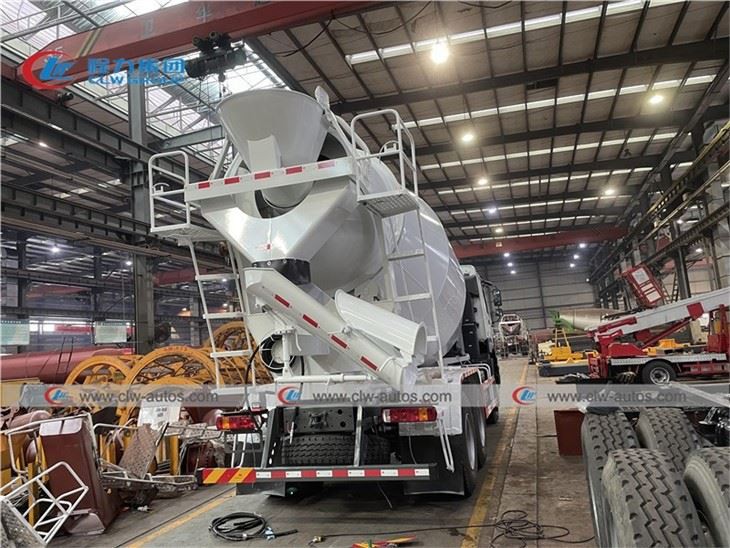
Let's take a look at some real - world examples of how weight affects different types of trucks. You can check out the HOWO 6X4 Heavy Duty 12M3 Concrete Mixer Truck. This truck is designed to carry a large amount of concrete, which means it has a high payload capacity. As a result, it needs a powerful engine and a robust braking system to handle the weight. The heavy load also means that its fuel efficiency might not be as high as a lighter truck.
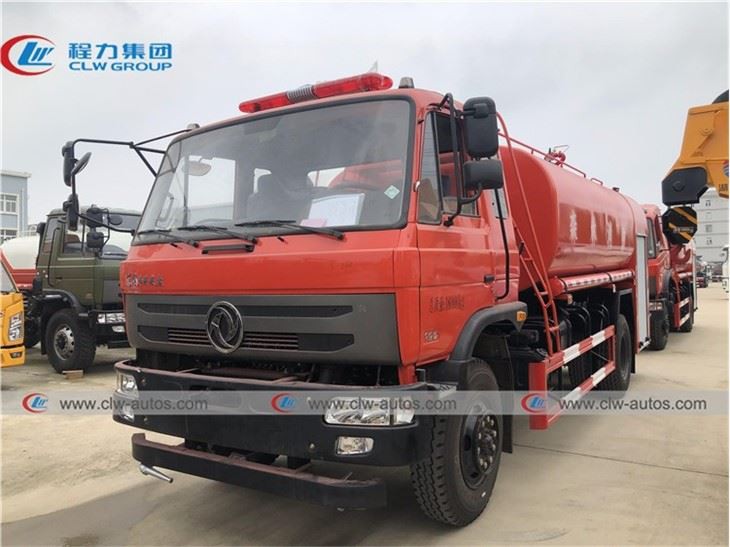
Another example is the Dongfeng 10tons water sprinkler fire truck. When the water tank is full, the truck becomes significantly heavier. This affects its acceleration, braking, and fuel consumption. The design of the truck has to account for this extra weight to ensure safety and performance.
And then there's the ISUZU 4X 10 Tons Straight Boom Crane Truck. When the crane is lifting a heavy load, the weight distribution of the truck changes, which can impact its stability and handling. Operators need to be aware of these changes to operate the truck safely.
Conclusion
In conclusion, the weight of an LED truck has a profound impact on its performance in various aspects, including acceleration, braking, fuel efficiency, handling, and the lifespan of suspension and tires. As a supplier, I can help you choose the right LED truck based on your specific needs and the types of loads you'll be carrying.
If you're in the market for an LED truck and want to learn more about how weight affects performance or need advice on choosing the right model, feel free to reach out. We're here to assist you in making the best decision for your business.
References
- Automotive Engineering textbooks on vehicle dynamics and performance
- Industry reports on truck fuel efficiency and weight management