Ultimate Street Sweeper Maintenance Guide: Keep Your CLW Sweeper in Peak Condition
Whether you are new to the street sweeping industry or an experienced owner with decades of expertise, one truth remains constant: preventative maintenance is the single most critical aspect of operating heavy machinery. Street sweepers perform challenging, dirty jobs day in and day out.
If you neglect your machine, you will face frequent repairs, premature part replacements, and-sooner than you'd like-a costly new purchase.
As a world-renowned manufacturer of special-purpose vehicles, CLW Group understands every detail of sweeper maintenance, from daily inspections to hydraulic system care. This guide will teach you how to perform preventative care to keep your sweeper at maximum productivity.
Why Regular Sweeper Care Matters
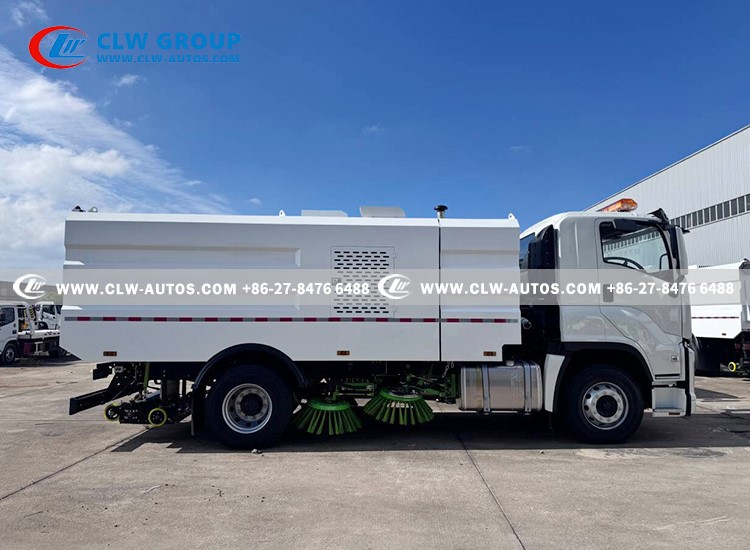
The better you maintain your street cleaning equipment, the longer it will remain operable and efficient. Here are the top benefits:
Reduced repair costs – Regular inspection and cleaning prevent small issues from becoming expensive breakdowns.
Extended equipment lifespan – Like automobiles, frequent tune-ups keep your sweeper running for years.
Fewer interruptions – Reliable machines mean fewer breakdowns and more confidence in your fleet.
Cleaner communities – Efficient operations keep your street maintenance services on track.
10 Essential Street Sweeper Maintenance Tips
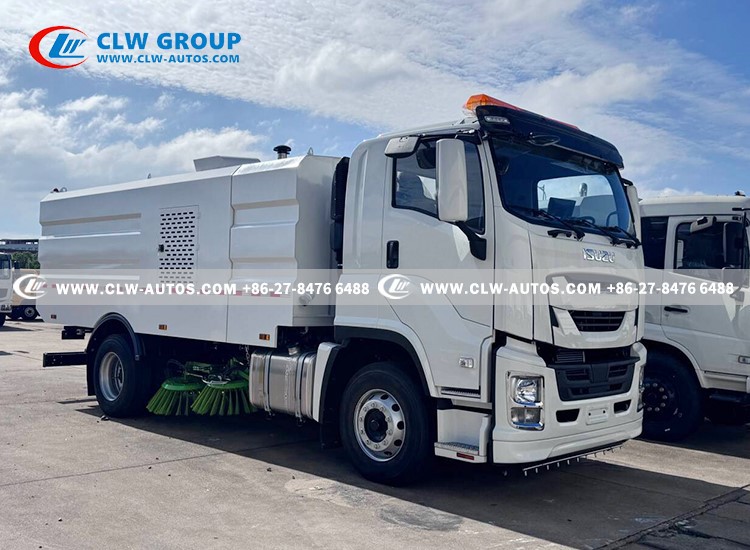
This checklist applies to both mechanical broom sweepers and regenerative air sweepers, with specific notes for CLW Group equipment.
1. Perform Daily Pre-Operation and Post-Operation Inspections
Operators should perform a thorough walk-around inspection before and after each shift.
Check fluids – Inspect engine oil, coolant (antifreeze), and hydraulic fluid levels on both the main and auxiliary engines.
Inspect key components – Check tire pressure, vehicle lights, hoses, water filters, and safety equipment.
Listen for unusual noises – Start the auxiliary engine and listen for belt slippage, pulley noise, or abnormal vibrations from the fan or hydraulic pumps.
2. Keep the Debris Hopper Clean
The debris hopper is the heart of your collection system. Over time, dirt, dust, and moisture can create rust and restrict airflow.
Empty daily – Dump the hopper at the end of each shift, even if not completely full, to prevent material from caking.
Wash internally – After dumping, use the self-cleaning function or a pressure washer to rinse the hopper interior and screen, preventing corrosion and odor buildup.
3. Maintain a Clean Hopper Screen (The Most Overlooked Step)
The hopper screen allows airflow to move freely to the fan. A clogged screen is the #1 cause of suction loss.
Function – If the screen is blocked, airflow is restricted, and sweeping performance plummets.
Maintenance – Remove and thoroughly clean the screen and dust separator every few months. While inside, inspect the suction inlet liner and door seals for wear.
4. Inspect the Fan and Fan Inlet
The fan creates the low pressure that lifts debris from the street into the hopper.
Check for buildup – Inspect the fan and fan inlet daily for any dirt accumulation. Excessive buildup causes vibration, leading to driveline and bearing damage.
Belt tension – On CLW sweepers, regularly check the fan belt for wear and proper tension. Replace immediately at the first sign of vibration.
5. Inspect Air Seals for Vacuum Integrity
Vacuum pickup power depends entirely on tight seals. This includes fan inlet seals, suction hose inlet seals, and hopper door seals.
Lubricate regularly – Keep rubber seals well-lubricated with a petroleum-based product to maintain flexibility.
Extend seal life – At the end of the day, leave inspection doors open and raise the hopper a few inches. This allows the seals to regain their optimal shape and resilience.
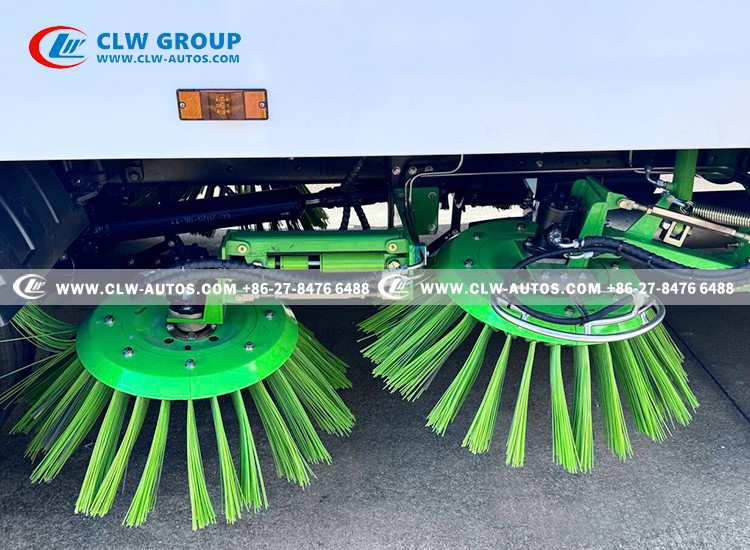
6. Examine and Adjust the Sweeping Head (Side Brooms)
The sweeping head is perhaps the most essential component. If misaligned, debris collection becomes extremely difficult.
Check bristle wear – Replace brushes when bristles become too short. Worn brushes reduce sweeping width and force the machine to run at higher speeds, increasing fuel consumption.
Alignment – On CLW sweepers, ensure the sweeping head and rubber skirts are properly aligned. Uneven wear often indicates incorrect down-pressure or misaligned housings.
Ground pressure – Avoid excessive ground pressure, which accelerates brush wear and damages road surfaces.
7. Check the Rubber Skirts on the Suction Nozzle
The rubber skirts on the suction nozzle (pickup head) must seal to the ground for effective vacuum pickup.
Daily inspection – Check for excessive wear, cracks, or damage.
Ground contact – Replace skirts promptly if they do not seal well to the ground. Proper sealing is critical for picking up fine dust and sand.
8. Monitor the Hydraulic System
From brush rotation to hopper lifting and fan drive, the hydraulic system powers all major functions of your street sweeper.
Use correct viscosity oil – Always use manufacturer-approved hydraulic fluid.
Change filters regularly – Replace hydraulic filters at scheduled intervals (e.g., every 250–1,000 hours depending on OEM recommendations) to prevent oil contamination.
Inspect for leaks – Check hoses and fittings daily for swelling, abrasion, or loose connections. A clean, leak-free system ensures reliable performance.
9. Inspect and Maintain the Water Spray System
The water system suppresses dust, protects the suction fan, and prevents debris from sticking to the hopper screen.
Clean nozzles weekly – Remove and clean all spray tips to maintain proper spray patterns. Clogged nozzles sharply reduce dust control.
Flush the tank – Regularly flush the water tank to remove sediment and algae buildup.
Winter protection – Before freezing temperatures or long-term storage, drain all water from the tank, pump, and lines to prevent cracking.
CLW tip – Use clean water whenever possible to reduce scaling and mineral accumulation.
10. Electrical System and Sensor Care
Modern sweepers, including CLW models, rely on electronic controls, sensors, and cameras for optimal operation.
Clean sensors – Wipe sensor lenses, cameras, and proximity sensors regularly to prevent false readings.
Inspect wiring – Check harnesses for fraying or loose connectors.
Avoid high-pressure water – When pressure-washing the machine, never direct water at electrical boxes, sensors, solenoids, or the auxiliary engine wiring. This prevents short circuits and electronic failures.
Seasonal Maintenance Reminders
Summer / Dry Season
Focus on dust control systems. Air filters clog faster in dry, dusty conditions and require more frequent cleaning or replacement.
Winter
Antifreeze – Ensure coolant has the proper freeze protection level.
Rust prevention – Road de-icing salts are highly corrosive. Wash the chassis thoroughly after each shift.
Cold starts – Before engaging high speed, let the auxiliary engine idle for 5 minutes to warm up hydraulic fluids.
Why Choose CLW Group for Parts & Service?
CLW Group provides full parts support for every vehicle it manufactures. Using genuine parts is essential for maintaining performance and safety.
Genuine filters – Aftermarket filters can lead to hydraulic oil contamination and pump failure.
Durable wear parts – CLW supplies high-quality brushes, rubber skirts, and seals that extend replacement intervals and reduce operating costs.
Conclusion
Street sweeper maintenance isn't just a mechanic's job-it's an operator's daily responsibility. By following this 10-point guide, you can dramatically reduce unexpected downtime, extend the life of your equipment, and ensure every sweeping shift delivers maximum efficiency.
we are here for you